Get in touch with ECOFILTRONE™ Company

Liquid Filter Bags:
Sizes, Media and Filtration Performance
We supply liquid filter bags and help you select the material, retention rating and sealing arrangement for your process. At ECOFILTRONE™, we combine industrial filtration consumables with application review, replacement matching and custom configuration support.
Material selection
Housing compatibility review
Sample and trial support
Selection support
We review your filtration application.
Replacement matching
We help match replacement filtration products.
Trial support
We provide sample and trial support for application evaluation.
Custom requirements
We support customized filtration configurations.
Technical confirmation
We provide technical datasheets and drawings during technical confirmation.
After-sales support
We provide installation and compatibility support.
Choose polypropylene needle felt as a candidate for depth filtration of suspended particulate matter. Send the chemical composition and temperature so we can review the complete bag configuration.
PP Felt Filter BagsOur polyester category uses PET, polyethylene terephthalate, rather than polyethylene. Review this felt option when the process temperature or liquid chemistry calls for an alternative to PP.
Polyester (PE) Felt Filter BagsCompare woven textile mesh when surface retention and a defined opening are central to your selection. Include particle shape and cleaning requirements in the specification.
Nylon Mesh Filter BagsSend demanding chemical or temperature duties for a PTFE configuration review. During selection, we check the media, seam and ring together against the proposed operating conditions.
PTFE Liquid Filter Bags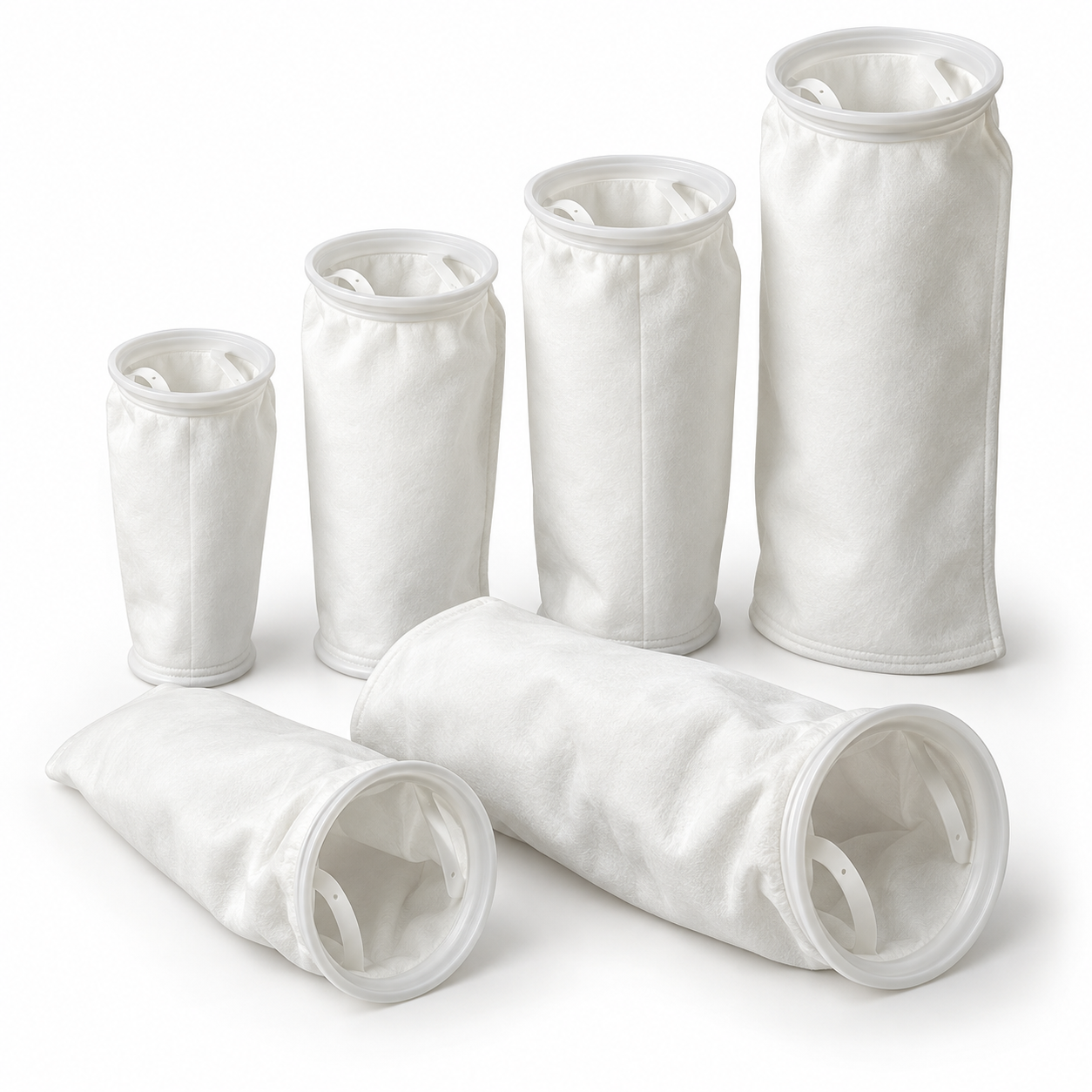
Liquid Filter Bags for Industrial Applications
For industrial water treatment and chemical processing, we help select liquid filter bags for your operating requirements. Our liquid filtration bags range covers felt, mesh and application-specific constructions.
SPECIFICATION REVIEWBring us a drawing, sample or replacement reference for a nonstandard bag. Before order confirmation, we verify the product specification with you.
Custom Bag ManufacturingFor tighter particle-control requirements, start with the required removal efficiency and test conditions. Layer count alone does not establish the retention performance.
Multi-Layer Filter BagsExplore the rating category for a filtration solution, then specify the particle size and retention basis needed for your process. Combinations depend on media and construction.
Micron-Rated Filter BagsCompare bag filter sizes, length and ring interface before ordering a replacement. A size number alone does not establish a fit with your bag filter housing.
Filter Bag SizesFilter Media and Micron Ratings for Your Application
Our selection process begins with your liquid, solids and required outlet quality. A finer bag may increase resistance without solving the contamination problem, so we evaluate the system flow and dirt-holding capacity alongside the rating.
Media–Duty Selection Grid
Food-contact suitability depends on the product and conditions of use and not a generic polymer. We provide material and compliance documentation pertaining to the product and application.1
Our selection principle: start with the required outlet quality, then confirm the material and seal. Choosing the smallest micron number first can leave the actual cause of a short run unresolved.
Standard Bag Features and Custom Housing Configuration
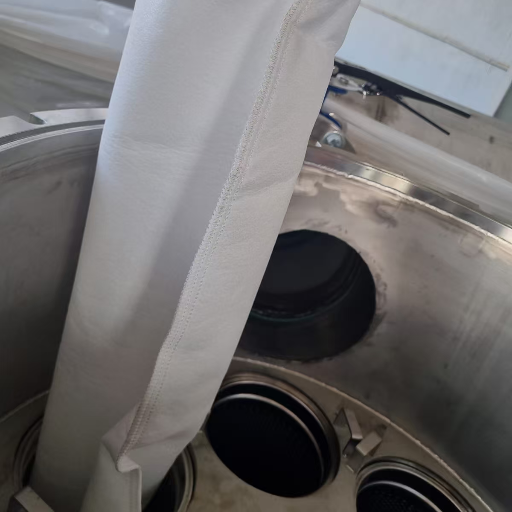
The nominal bag size is not sufficient in our review of replacement-fit. The ring or flange profile must seat correctly in the basket, and the seam construction must suit the selected media and duty.
| Configuration point | Information to send | Selection consequence |
|---|---|---|
| PP ring | Ring profile, outside dimensions and housing seat | Match the complete sealing interface, not just the ring material. |
| Stainless-steel ring | Required grade, profile and existing bag reference | Confirm the grade and liquid compatibility in the specification. |
| Sewn construction | Existing seam arrangement and contamination limits | Include seams in the review when changing media or rating. |
| Alternative seam requirement | Drawing and leakage or fiber-release requirement | Our review covers the proposed construction with the material selection. |
| Basket and housing | Basket depth, support geometry, seat photograph and housing model | Separate bag dimensions from the housing’s rated pressure. |
| Service conditions | Pump starts, flow changes and cleaning cycle | Consider pressure transients and exposure during operation and cleaning. |
Operating duty for repeated start-stop operation is included in the application review. For flammable liquids, also provide the conductivity of the liquids, and your site’s requirements for electrostatic control.
Filter Bag Sizes and Operating Specifications
A matching size number is a starting point, not a complete replacement specification. For replacement matching, we use the ECFB series dimensions below and check your existing ring and basket against the proposed design.
ECFB Series Reference Dimensions and Limits
| Specification | ECFB series value | Selection detail |
|---|---|---|
| Size #1, diameter × length | 180 × 420 mm (7.09 × 16.54 in) | Match the ring profile and basket support. |
| Size #2, diameter × length | 180 × 810 mm (7.09 × 31.89 in) | Check basket depth and removal clearance. |
| Size #3, diameter × length | 105 × 230 mm (4.13 × 9.06 in) | Confirm dimensions from the existing bag or drawing. |
| Size #4, diameter × length | 102 × 380 mm (4.02 × 14.96 in) | Check the actual diameter rather than assuming interchangeability. |
| Size #5, diameter × length | 150 × 520 mm (5.91 × 20.47 in) | Include the sealing arrangement in the enquiry. |
| PP max operating temperature | 80°C (176°F) | Review liquid chemistry and complete construction. |
| PET max operating temperature | 120°C (248°F) | Review liquid chemistry and complete construction. |
| PP max differential pressure | 2 bar at 20°C; 1 bar at 80°C | These limits are not changeout setpoints. |
| PET max differential pressure | 2 bar at 20°C; 1 bar at 120°C | These limits are not housing pressure ratings. |
Dimensions and operating limits: ECFB series catalogue. Inch values are rough approximations; use the millimetre dimensions for matching.
CAPACITY
Size and capacity
The #1 and #2 bags share a listed diameter but differ in length. That does not establish a flow-capacity ratio: liquid viscosity, media, rating and solids loading still matter.
MAINTENANCE
Pressure and replacement
Maximum differential pressure and replacement threshold are not interchangeable. Use the selected assembly’s operating procedure and monitor the actual inlet-to-outlet pressure difference.
Quotation Inputs and Order Scheduling
Your quotation is built around the material, construction, dimensions, quantity and required documents. State your destination and required arrival date so we can coordinate the supply and shipping requirements alongside technical confirmation.
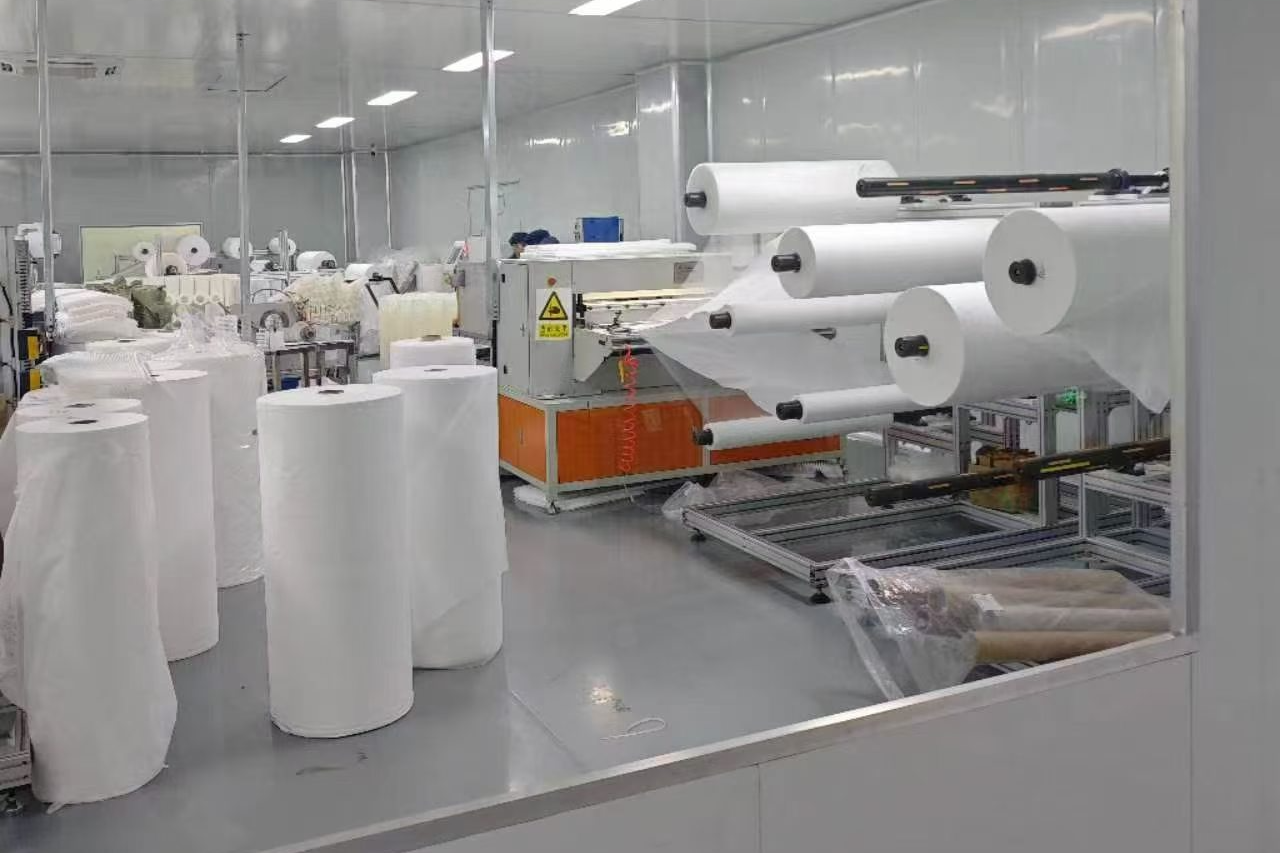
Comparable Quote Input Sheet
Include in your request
Why it changes the comparison
Useful detail
Media and retention
A micron label alone does not establish equal efficiency.
Material, particle size, nominal or absolute description, efficiency and test basis.
Dimensions and sealing
A bag with a similar label can have a different interface.
Diameter × length, ring material/profile, drawing and housing reference.
Process conditions
Flow and chemistry affect the suitable construction.
Liquid, concentration, viscosity, flow, temperatures and operating duty.
Quantity and packing
Order size and packing requirements affect the supply arrangement.
Initial order, repeat demand, identification and packaging requirements.
Documents and acceptance
Purchasing and quality teams need the same acceptance criteria.
Required material documents, inspection points and application requirements.
Delivery requirement
Production scheduling and transport are separate planning inputs.
Destination, required date and sample or trial stage.
A Filled Example to Adapt
“We need an ECFB size #2 replacement, 180 × 810 mm, for a water-treatment line. Please review PP felt against our liquid analysis, flow record and existing ring drawing; include the requested inspection and material documents in the quotation.”
ACTION: Add your required retention, quantity, destination and arrival date before sending.
Compare the Cost of a Run
The unit price leaves out changeout labor, disposal and the amount of liquid processed before replacement. Compare these inputs over the same treated volume and outlet-quality requirement; a lower purchase price can be offset by more frequent changes.
- Record bags consumed and processed volume for each trial.
- Record changeout time, labor cost and disposal cost.
- Track downtime separately when it affects production.
- Compare Bag and Changeout Costs
From Technical Confirmation to Shipment
During your order, we follow up on production and coordinate inspection, packaging and shipping. Before production, we confirm the selected specification and order arrangements with you; send the required delivery date at the enquiry stage so scheduling can be considered before the order is placed.
Quality Review and Product Documentation
For your selected bag, we provide technical datasheets and applicable material and compliance documents according to the selected product and application. Our review connects the requested documents to the bag specification so purchasing and quality teams review the same configuration.
REVIEW PROCESS
- Confirm the product: Record material, rating, dimensions, ring and construction.
- Agree acceptance points: Identify dimensional, construction and filtration-performance requirements during technical confirmation.
- Review applicable documents: Match material declarations and compliance documents to the product and intended use.
- Coordinate inspection: Carry the confirmed specification into order follow-up, packing and shipping coordination.
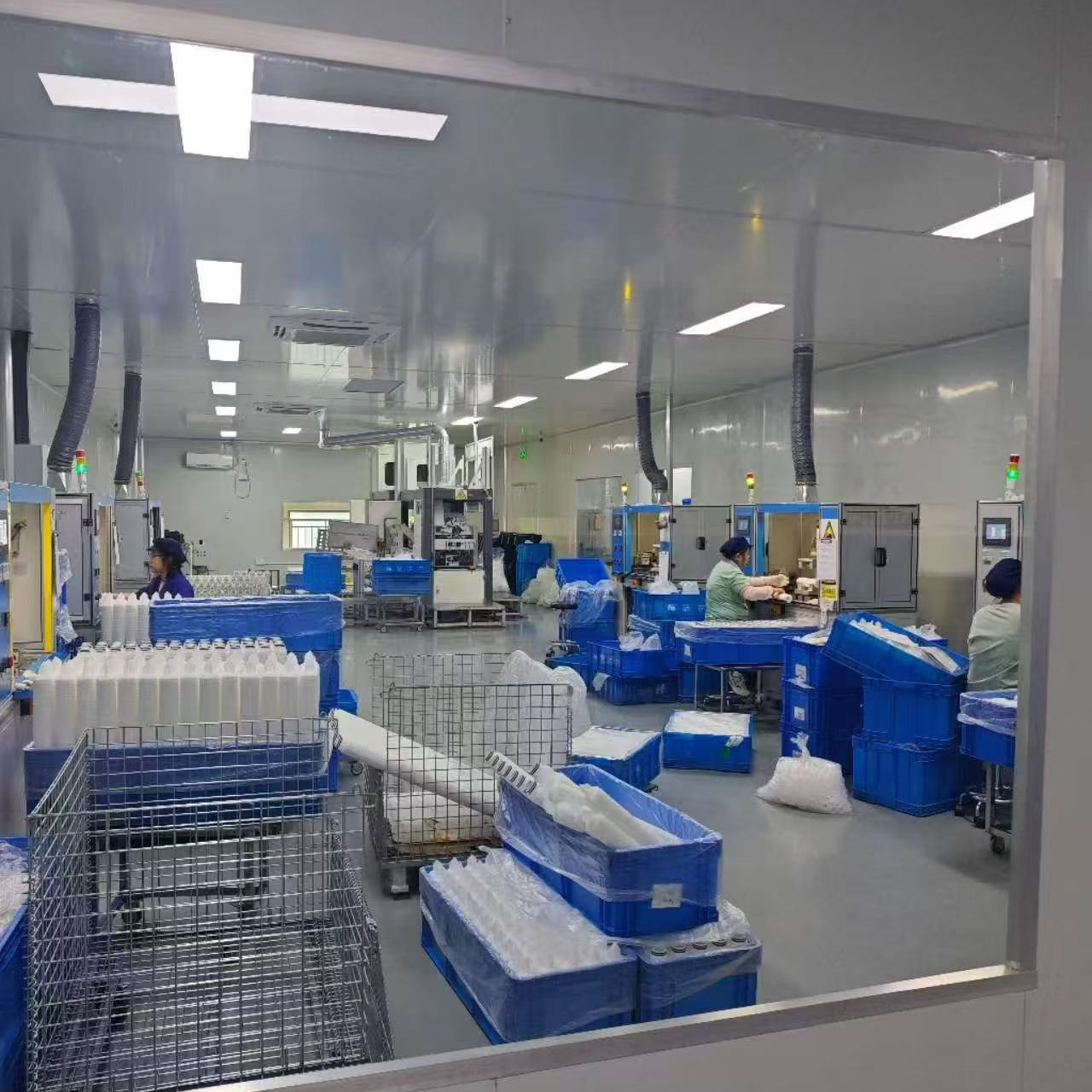
Retention Performance Beyond the Micron Label
A document mismatch can delay a food-industry order because the acceptance criteria must cover the intended use. Our review pairs the selected product with those criteria, including the relevant 21 CFR conditions for food-contact substances.
- Agree the liquid and contact temperature before requesting the material declaration.
A micron label needs an efficiency and test basis for a comparison. When considering nominal and absolute values, we ask for the removal percentage at the specified particle size and the method used to determine it.
EVALUATION METRICS
- Specify the particle size and the percentage that must be removed.
- Include test fluid, flow conditions and the acceptance method.
- Review the complete bag and seal when controlling bypass matters.
Selection, Order Follow-Up and After-Sales Support
We support your project from the first substitution proposal to follow-up. Knowing the starting specification helps us understand changes in fit, pressure drop and service life after installation.
STEP 01
Share the application.
Send the liquid, contaminant target, flow, temperature and existing assembly details.
STEP 02
Review the selection.
Our team works with you on material selection, OEM replacement matching and customized configuration.
STEP 03
Evaluate a sample or trial.
We provide sample and trial support for application evaluation.
STEP 04
Confirm the order.
We provide datasheets and drawings during technical confirmation and follow up on production.
STEP 05
Coordinate delivery.
We coordinate inspection, packaging and shipping.
STEP 06
Review operation.
We follow up on operating performance and support differential-pressure and service-life analysis.
Operating observation
| Observation | Record before the review | What we investigate with you |
|---|---|---|
| Shorter bag life | Solids loading, flow, temperature, initial pressure drop and replacement record | Changes in duty or selected media, rather than an assumed fixed life in hours. |
| Particles downstream | Particle result, ring seating, bag condition and rating basis | Fit, bypass and whether the retention specification matches the target. |
| Clean pressure drop | Actual viscosity, flow and correctly seated bag; record low initial pressure as well as unusually high readings. | The relationship between resistance, area and the selected rating. |
After installation, we support troubleshooting and filtration configuration optimization. Continuous flow also requires a practical changeout arrangement at the site; include permitted shutdowns in your application information.
Industrial Filtration Supply and Application Support
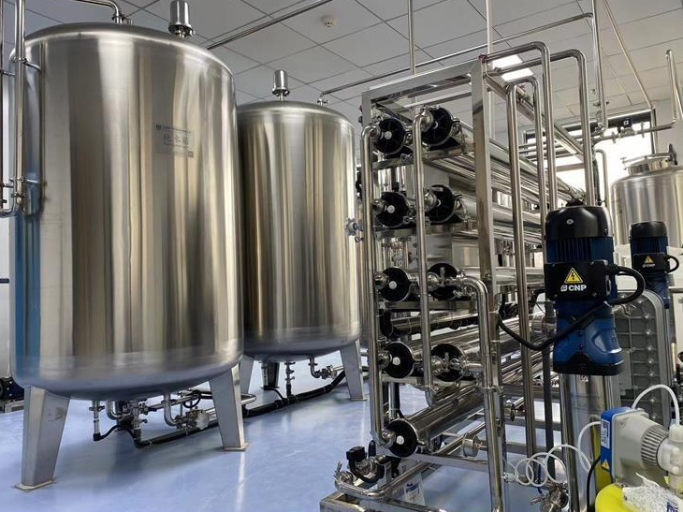
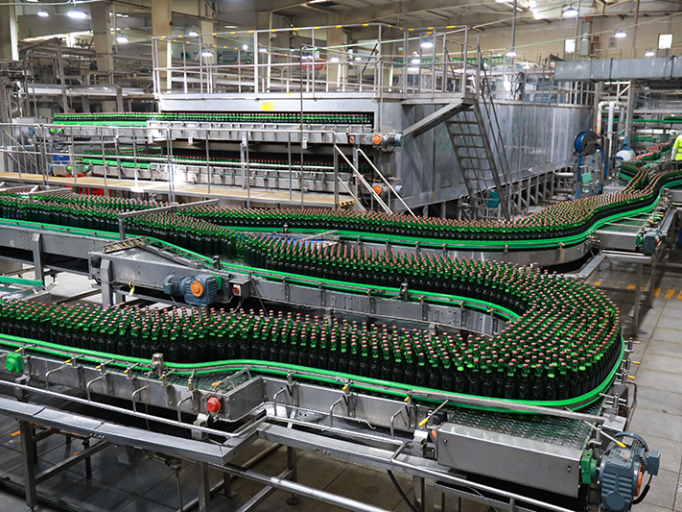
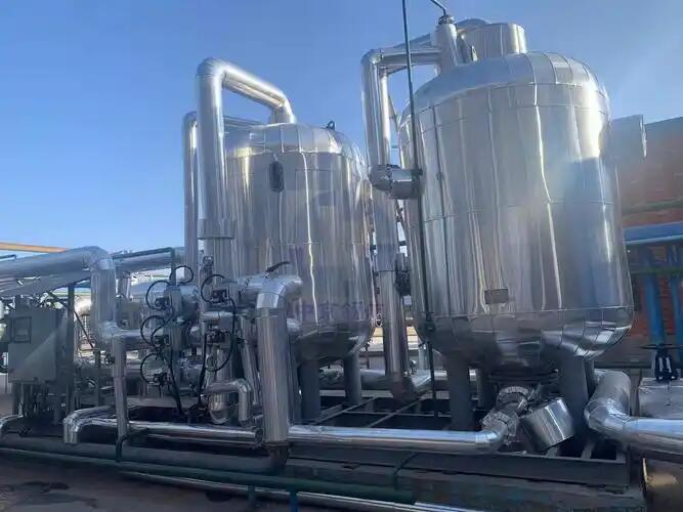
From Qingdao, China, we supply the industrial filtration industry. Our products and technical support cover industrial water treatment, RO and UF pretreatment, seawater reverse osmosis desalination, wastewater treatment, power generation, oil and gas and other process industries.
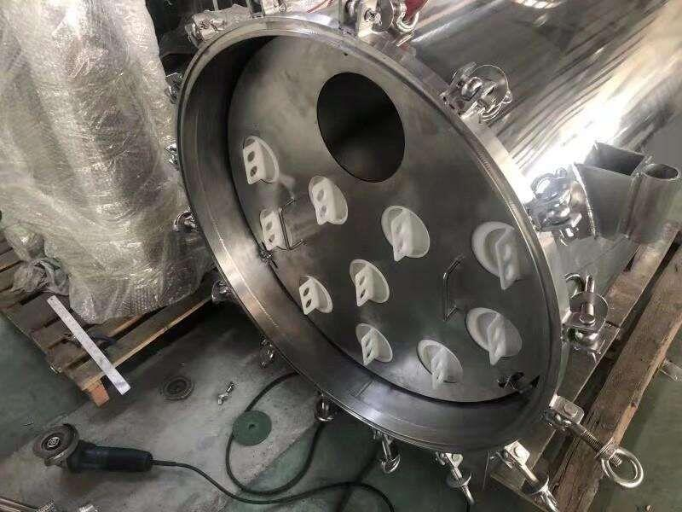
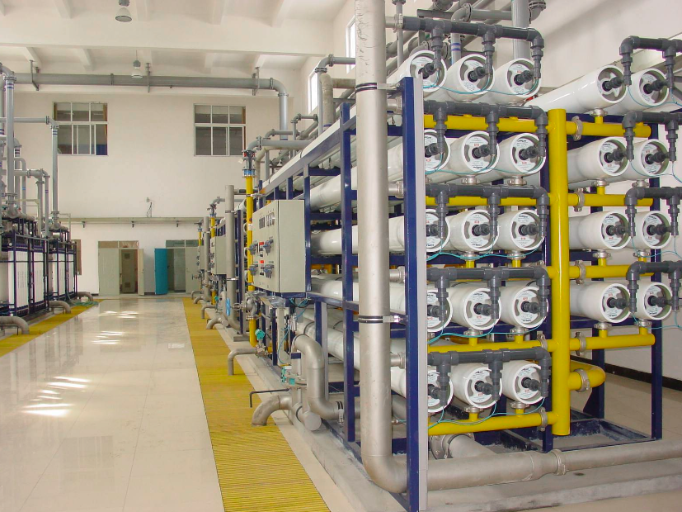
Industrial Water
For industrial water, our review covers suspended-solids filtration and pretreatment requirements with the downstream process in view.
Process Liquids
For process liquids, our review covers material selection and replacement matching against chemistry, temperature and required retention.
International Supply
Our supply work serves industrial filtration customers across the Middle East, Southeast Asia, North Africa, South Asia and Latin America.
Paint and Coating
For paint and coating filtration, tell us which particles need to be removed and which ingredients must be retained. We evaluate viscosity at the operating temperature and required outlet specification prior to comparison with filter media.
Liquid Filter Bag Selection and Ordering FAQ
How do I choose between PP felt, polyester felt and nylon mesh?
Start with the liquid chemistry, temperature and particle target. We compare depth-filtration felt with surface-retention mesh, then check the complete bag construction; our ECFB PP and PET maximum temperatures are 80°C and 120°C respectively.
Does a 1 micron water filter bag remove every particle above 1 micron?
The label alone does not establish that result; a micron is a micrometre, not a removal percentage. Ask for the retention efficiency and test conditions at 1 µm, and include the required outlet quality in your enquiry.
Should I replace a 5 micron water filter bag with a finer rating?
Compare the outlet result and operating pressure drop first. Changing from 5 µm to a smaller rating can increase resistance; we review the solids load and required retention before recommending the change.
Will a size #2 bag fit my current housing?
Our ECFB size #2 is 180 × 810 mm. Send the current ring profile, basket dimensions and housing reference so we can review the full fit rather than relying on the size number.
Are PP and PET rated for the same pressure at their maximum temperatures?
The ECFB catalogue lists PP at 1 bar maximum differential pressure at 80°C, and PET at 1 bar at 120°C. Those are paired operating limits, not a shared changeout instruction.
Why does a replacement bag have a shorter service life?
To investigate a shorter run, we review solids loading, flow, temperature, viscosity and the initial pressure drop together with the bag specification. A fixed number of hours is not enough to compare runs; record processed volume and outlet quality too.
Can I wash and reuse a mesh liquid filter bag?
Before reuse, we review the selected mesh construction, contamination and cleaning procedure. Cleaning can affect the openings and porosity, so repeated use needs an agreed acceptance check rather than an assumed number of wash cycles.
What should I send for an OEM replacement or custom bag?
Send the existing part reference or sample, a dimensioned drawing, ring details and operating conditions. For an ECFB size #1 enquiry, the catalogue dimensions are 180 × 420 mm; other interfaces still need to match.
Can you support food and beverage applications?
For food and beverage duties, we review the specific product, food-contact conditions and required documents. Requirements listed under 21 CFR are tied to substances and intended uses; a generic “FDA-approved bag” description is not a substitute for that review.
Can we evaluate samples before a repeat supply order?
We provide sample and trial support for application evaluation. Include the selected size, such as ECFB #2, plus the rating and liquid duty so the evaluation uses the intended specification.
How are price and delivery confirmed?
For each quotation, we review the specification, quantity, documents and destination with your required date. For example, an ECFB #2 request should include its ring configuration and material; those details belong in the same quotation as the order and shipping arrangements.
What information helps after installation?
Send the bag reference, flow, temperature, inlet and outlet pressures, replacement history and outlet-quality result. We provide installation and compatibility support and follow up on operating performance.