Get in touch with ECOFILTRONE™ Company

ECOFILTRONE liquid filtration
High Efficiency Multi-Layer Filter Bags for Liquid Filtration
A high efficiency filter bag for liquid service has to do more than carry an attractive rating label. ECOFILTRONE supplies multi-layer liquid filter bags and manufactures the ECFB filter bag family in our Qingdao factory, where our in-house lines cut and sew each confirmed construction.
Quote response within 24 hours
Free samples; customer pays freight
Stock items in 4–5 days
Custom sample in 7 days
Application Envelope
ECFB-SERIES
100% INSPECTED
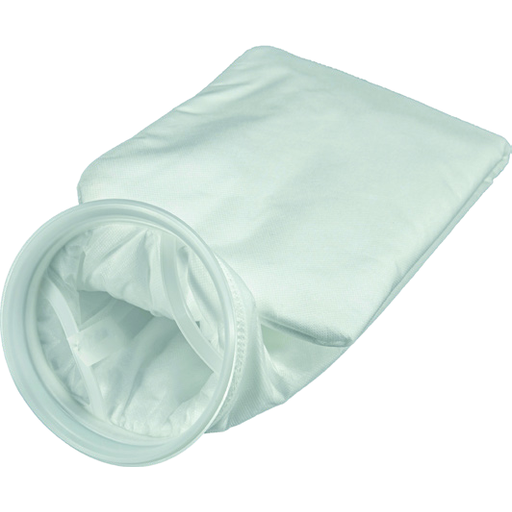
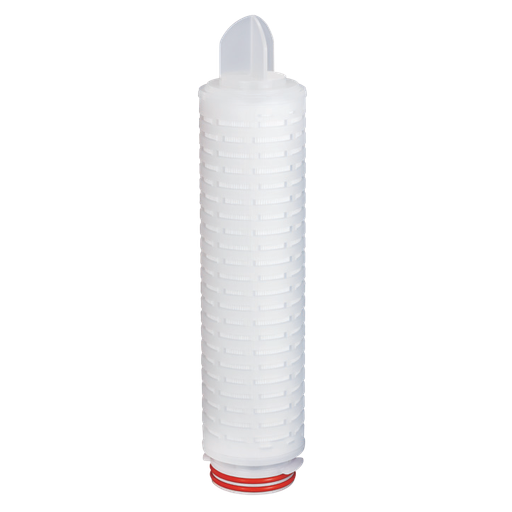
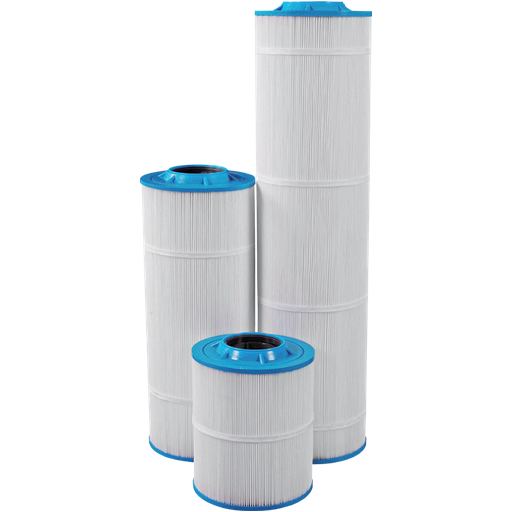
Sizes #1 through #5
Five ECFB body formats
PP · PET · Nylon
Confirmed media family
Up to 160 °C
Nylon platform temp limit
SS or PP
Seal-ring options
24 hours
Quote response time
7 days
Custom sample lead time
14 days
Custom bulk lead time
100 pieces
Custom min order quantity
SYS // LIQUID FILTRATION
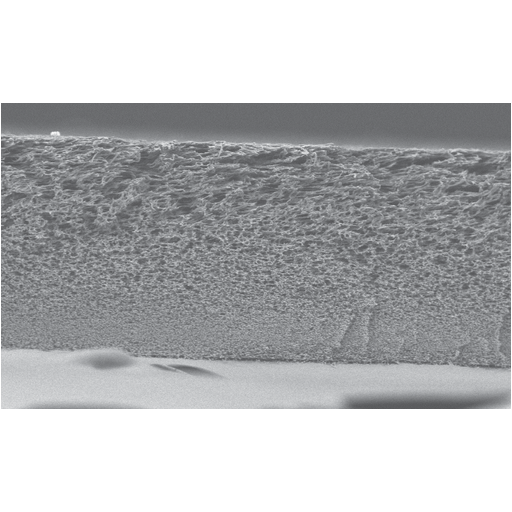
Multi-Layer Filter Bag Options
We sell multi-layer high-efficiency filter bags and build liquid filtration bags against a confirmed application rather than a label alone. The exact layer count, layer media and efficiency grade belong in the written quotation only after the construction and test basis have been agreed; this page does not assign unverified values to that product family.
What we manufacture
We produce filter bags in our own factory. Our confirmed in-house processes are filter bag cutting and sewing, and our engineers release the media, bag size, ring and documented construction for the order.
What we review
We perform application review, filter selection, specification verification, replacement matching, custom configuration and sampling. While processing the order, we perform technical confirmation, inspection, packing and shipping.
Rating labels
are not purchasing specifications
An efficiency percentage without a particle size and test conditions is not an actionable specification. Smaller micron does not always produce the best process result because capacity, flow, contaminant loading and pressure loss form a trade-off.
We need to cross-check against a standard felt bag before comparing to a filter bag or a high flow cartridge. For this we require data on the body diameter and usable length, the geometry of the rings or collars and the housing seat and basket support and the operating envelope. This is to ensure rings, seats and baskets can act together to retain and seal the bag. [3]
Upgrade route
Decision use
Specification needed
Fit and trial check
Standard felt filter bag
General particle capture where a nominal micron rating and predictable changeout plan are suitable.
Media, size, ring, micron basis, flow and terminal service criterion.
Confirm basket support, top seal, bottom clearance and actual pressure trend.
Multi-layer filter bag
Use when a staged media construction is being evaluated for retention, dirt-holding capacity or service life.
Target particle size, target retention rate, named test basis and complete test envelope.
Confirm the same fit points, then run a single-housing sample trial before scale-up.
HFB pleated cartridge
A higher-area cartridge route for a fit-checked Size #1 or Size #2 bag housing when the bag route is outside the duty target.
154 mm OD, selected length, 0.5–100 µm platform range, 80 °C and 3.4 bar at 25 °C.
Do not assume interchangeability. Verify length, plate, seal, basket removal and housing clearance.
DATA-LINK ACTIVE
SYS-CORE // 01
Filter Media: Polypropylene, Polyester and Nylon
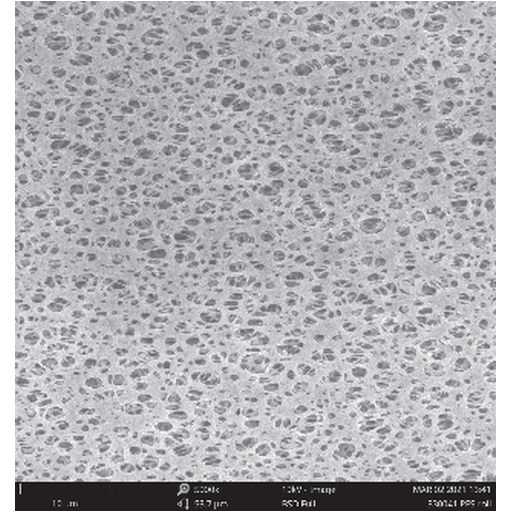
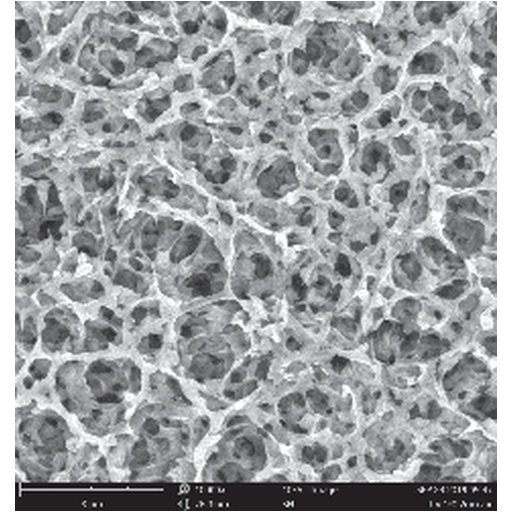
The ECFB filter media family includes polypropylene, PET polyester and nylon. We select the media against the fluid, temperature, chemical concentration, contact time, cleaning cycle and mechanical load; a material name is not a substitute for a complete compatibility review. Chemical compatibility and particle-retention performance are not interchangeable checks; ASTM D543 evaluates plastic resistance under defined reagent, concentration, exposure, temperature and stress conditions rather than by material name alone.[8]
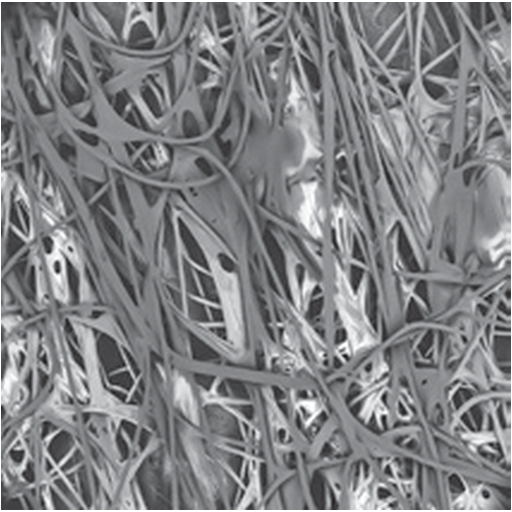
PP needle felt ←
80 °C Max limit
PET polyester ←
120 °C Max limit
Nylon mesh ←
160 °C Max limit
Compatibility input
Why it changes the decision
What to send
Acid or alkali service
Concentration, temperature and exposure time can change the strength of the media, thread and ring.
Chemical name, concentration or pH, temperature and cleaning cycle.
Solvent or oil service
Swelling, extraction and seal behaviour can differ across the wetted assembly.
Fluid identity, blend information, safety data and contact duration.
Water treatment
Particle load, debris shape and downstream objective affect rating and holding capacity.
TSS or particle data, flow, housing count and target outlet condition.
Food and beverage process
Process acceptance records may be product-specific and must be requested rather than assumed from polymer name.
Liquid, temperature, cleaning method and required documents.
Paint and coating service
Viscosity, gels and deformable contaminants can change pressure loss and apparent removal.
Viscosity at temperature, particle description, batch volume and acceptable loss.
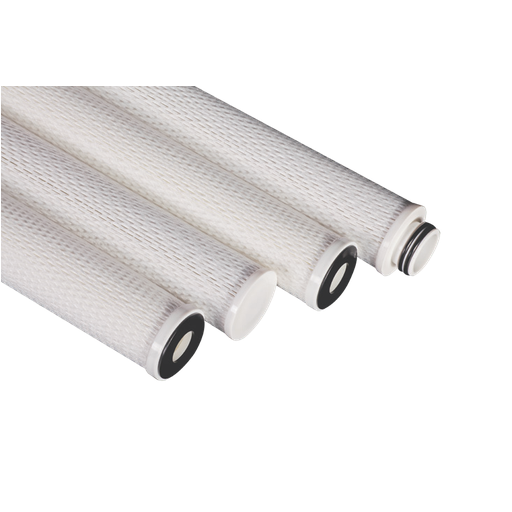
Stainless-steel ring
Use the measured ring diameter, profile and seat photograph in a replacement review. The metal ring choice does not eliminate the need to confirm the housing plate and basket.
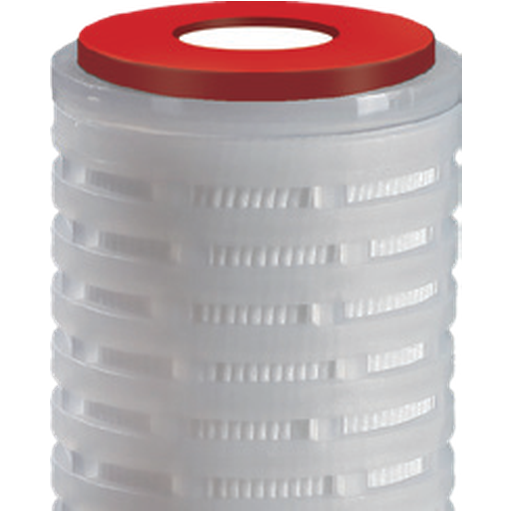
PP seal ring
The PP option keeps the ring in the confirmed ECFB platform. Chemical compatibility is assessed for the ring, media and seam as an assembly.
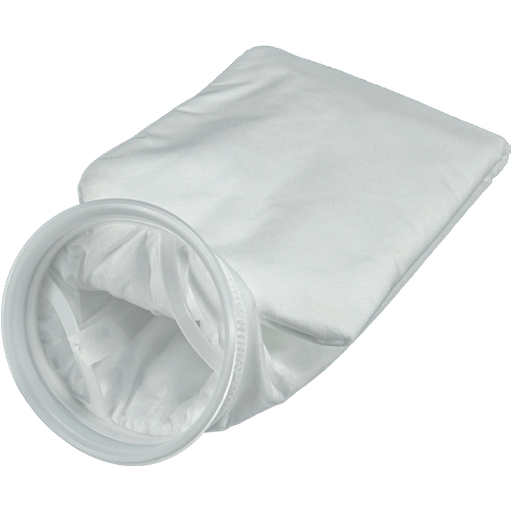
Reinforced bottom
Bottom shape and sewing can make a difference for bags that stretch and deform. In our Saudi trial, we used this to confirm construction of a controlled sample before a production run.
ECFB Platform Specifications for High Efficiency Bag Selection
These values describe the confirmed ECFB bag platform and the HFB cartridge alternative. The 0.5–400 µm line is an ECFB media range, not a dedicated multi-layer micron range, efficiency grade or absolute-rated filter claim. These client-confirmed platform values are not ISO 16889 performance results.[1]
Data Matrix // Confirmed Values
| Specification | Confirmed platform value | Selection note |
|---|---|---|
| ECFB Size #1 | Ø180 × 420 mm | Verify ring seat, basket and usable length. |
| ECFB Size #2 | Ø180 × 810 mm | Same body diameter as #1, longer basket requirement. |
| ECFB Size #3 | Ø105 × 230 mm | Compact format; use metric dimensions for matching. |
| ECFB Size #4 | Ø102 × 380 mm | Compact long format; confirm bottom clearance. |
| ECFB Size #5 | Ø150 × 520 mm | Separate body format; do not infer fit from numbering. |
| ECFB media range | 0.5–400 µm | Across ECFB media, not assigned to the multi-layer product alone. |
| PP platform limits | 80 °C; 2.0 bar at 20 °C / 1.0 bar at 80 °C | Maximum operating differential pressure, not a changeout instruction. |
| PET platform limits | 120 °C; 2.0 bar at 20 °C / 1.0 bar at 120 °C | Maximum operating differential pressure, subject to fluid review. |
| Nylon platform limits | 160 °C; 2.0 bar at 20 °C / 1.0 bar at 80 °C | Temperature and pressure boundaries must be read separately. |
| Seal rings | SS or PP | Confirm geometry against the housing seat. |
| HFB cartridge geometry | 154 mm OD; 370 / 634 / 660 mm lengths | Fit-checked route for selected Size #1 and #2 bag housings. |
| HFB cartridge limits | 0.5–100 µm; 80 °C; 3.4 bar at 25 °C | Separate pleated cartridge product, not a bag specification. |
ECFB Filter Bag Size Match Checker
Enter diameter and usable length to find the nearest catalog format. This doesn’t mean the ring, seat or basket has been approved.
Open Size Match CheckerPricing, Lead Times and Order Terms
A lower unit price may not mean a lower delivered or operating cost. Bag construction, size, media, ring, quantity, inspection scope and freight, as well as change frequency and labor and downtime all change the comparison, so a written quotation is returned after a specification review.
FILTRATION
SEC.INSPECTION // DATA_MATRIX
The Rating Triplet + Test Envelope
An efficiency statement consists of three elements: the micron size of the particle, the expected retention of the particle at that size, and a named test basis. Filter life and efficiency also depend on challenge material, loading, flow or velocity and the terminal pressure or service criterion. [2]
| Test-envelope field | Why it belongs on the RFQ | Acceptance output |
|---|---|---|
| Filter construction | Media architecture, dimensions and seals can change capture and bypass behaviour. | Agreed product description and drawing or datasheet. |
| Challenge particle and distribution | A single micron value does not describe the whole contaminant population. | Named challenge and particle-size distribution. |
| Carrier fluid and concentration | Viscosity and particle concentration affect transport and loading. | Recorded fluid, concentration and test temperature. |
| Flow rate or face velocity | Hydraulic loading changes pressure development and apparent performance. | Declared rate, housing area and operating mode. |
| Initial and terminal pressure | Maximum working differential pressure is not necessarily the changeout threshold. | Clean baseline and agreed stop criterion. |
| Loading state and sampling | Initial, average and end-of-run readings answer different questions. | Sampling points, duration and reported statistic. |
Workflow Protocol
From Housing Details to Repeat Orders
RFQ tool
Filter Bag Duty Check Builder
Build a copy-ready review brief and take note of what application fields are still missing. Completeness is not product approval; it gives our application team a cleaner starting point.
Build Your Duty Check ➔01 Send the duty and fit record;
provide the housing, bag or cartridge dimensions; the fluid, temperature and viscosity; type and amount of solids; the flow and the condition desired at outlet.
02 Examine the constraints
We examine the material, rating basis, ring, basket, pressure boundary, inspection scope, and replacement constraints.
03 Written specification and quote
We reply within 24 hours once the review has enough information, with the offered configuration and commercial terms.
04 Sample or trial order
Samples are free and the customer pays freight; standard-product trial orders are accepted.
05 Single-housing verification
The trial records sealing, bag strength, clean pressure, pressure trend, outlet condition, and change criterion prior to scale-up.
06 Production and follow-up
We coordinate inspection, packaging and shipping, then support installation, compatibility review, differential-pressure analysis and troubleshooting.
Problem and trial
During operation, the bags repeatedly stretched and deformed at the bottom. NaOH/EDTA cleaning and a loss of elasticity contributed to this.
ECOFILTRONE supplied eight Size #2, 50 µm PP felt bags for one housing, focusing on the construction of the bottom and resistance to deformation.
Scale-up decision
After about 9 days, the customer no longer reported strength issues and the project progressed to a 200-piece order. The case shows that a measured trial can control the risk of replacement for a site-wide purchase.
“No complaints about filters strength.”[cite: 1]
What this case proves, and what it does not
This is a PP felt bag construction and trial-process case. It does not prove a multi-layer efficiency grade, retention percentage, service-life multiple or general savings claim; micron rating alone cannot determine whether a filter bag is suitable for an application.
Other project markets
Our filter-bag project and supply record also includes Indonesia, Egypt, Tunisia, Bangladesh and Uruguay. Each new duty still goes through its own specification and sample path rather than inheriting a result from another site.
High Efficiency Filter Bag Engineering Tools
MOD.01
Filter Bag Changeout Cost Estimator
OPEX Diagnostic & ROI Analysis Console
Use your own operating figures to separate bag spend, labor, disposal and downtime. Currency is intentionally unlabeled so every input and result stays in the same base unit; the tool provides objective diagnostics without presumed service life.
Execute Tool→
MOD.02
Filter Bag Duty Check Builder
Engineering Completeness Diagnostic Protocol
Build a completeness check for an engineering review. Blank fields remain visible in the result, and the tool never converts a complete form into an automatic media, micron or compliance recommendation.
Execute Tool→
MOD.03
ECFB Filter Bag Size Match Checker
Dimensional Calibration Console
Enter the measured bag-body diameter and usable length in millimetres. The checker identifies the nearest ECFB #1–#4 catalogue format and maps the dimensional tolerance; it serves as a geometric reference, not an operating duty certification.
Execute Tool→
FAQs: High Efficiency Liquid Filter Bags
What makes a liquid filter bag “high efficiency”?
Efficiency should mean a measurable result for retention of a stated particle size, not just a brand adjective. Ask for the Rating Triplet and Test Envelope so the challenge, flow and stop criterion can be assessed.
What does “absolute-rated” mean on a filter bag?
An absolute-rated filter needs a stated particle size, retention basis and test method before the term becomes comparable. A nominal rating and an absolute rating can use different methods, so the label alone does not establish removal performance.
How is a multi-layer filter bag different from a standard felt bag?
A multi-layer bag combines more than one functional media layer, while a standard felt bag uses its specified felt structure as the main capture medium. ECOFILTRONE confirms the offered construction in the quotation because layer count and layer media are order-level facts, not assumptions for this page.
Do I need a nominal rating or a target retention percentage?
Use the statement that matches the downstream acceptance requirement and the available test basis. If a retention percentage matters, name the particle size and test conditions instead of relying on a nominal label.
Can a high efficiency filter bag replace a cartridge filter?
The two formats are different. Compare the history of the actual fluid, housing, flow, pressure, contaminant, and changeout; our HFB cartridge is another verify-first route for some Size #1 and #2 bag housings.
When should a high efficiency liquid filter bag be changed?
Use the validated terminal differential pressure, outlet condition, batch endpoint or service criterion for the system. Do not use the platform maximum working differential pressure as an automatic change trigger.
Which bag sizes, media and seal rings do you supply?
The ECFB platform lists Sizes #1 through #5, PP, PET polyester and nylon media, plus stainless-steel or PP rings. The media range is 0.5–400 µm across the platform; it is not a multi-layer-only range.
Can I test a free sample in my existing housing?
Yes. Samples are free and the customer pays freight; send the measured bag, ring, seat, basket and duty details so the sample trial starts from a fit-checked specification.
What are your lead times and minimum order?
Stock items are 4–5 days, a custom sample is 7 days and a custom bulk order is 14 days after technical confirmation. The custom minimum order is 100 pieces; standard items are quoted per product and trial orders are accepted.
What payment and shipping terms do you offer?
Payment is 30% deposit and 70% before shipment. The quotation can use FOB China port, while CIF and other Incoterms are available on request.
What process details do you need for a quote?
Send the liquid, concentration, pH, temperature, viscosity, solids or particle description, flow rate, operating cycle, clean pressure, housing limit, target micron, retention, and quantity. Prospective buyers of liquid filter bags may send bag and ring photos and a filter housing drawing.
Search language translated into RFQ language
A query such as “1 micron water filter bag,” “5 micron water filter bag,” “liquid PP filter bag,” “polypropylene mesh filter bag,” “best multi layer filter bag” or “absolute filter bags” is only a starting point. Add the application, size, ring, flow, pressure, retention target and acceptance basis before requesting a production specification.