Get in touch with ECOFILTRONE™ Company
Nylon Mesh Filter Bags for Industrial Liquid Filtration
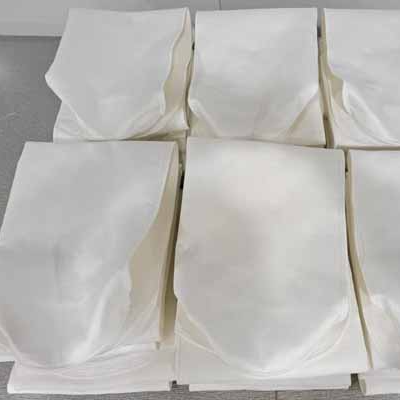
We supply nylon mesh filter bags for industrial water and process filtration. At ECOFILTRONE™, we help you select the bag around your liquid, particle requirement and existing housing, so the enquiry covers both filtration duty and physical fit.
Product
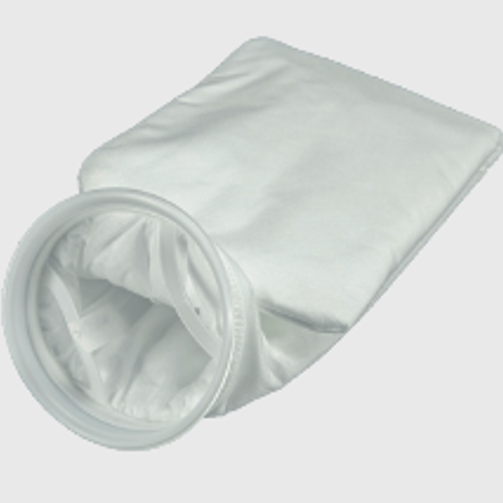
Nylon mesh liquid filter bags
Selection
Application and specification review
Replacement
Bag and housing matching support
Configuration
Customized filtration requirements
Evaluation
Sample and trial support
After delivery
Compatibility and performance follow-up
Nylon Filter Bags for Industrial Liquids
Before selecting the bag filter, we review your operating requirements. A mesh liquid filter bag used ahead of another treatment stage has a different task from one used to remove visible debris from a process tank: the particle target, downstream requirement and allowable pressure loss need to travel with the size specification. EPA
For an existing installation, we match replacement specifications to your bag and housing. Send your current part reference, diameter, length and a clear view of the ring or flange; a shared bag number alone leaves the sealing interface unresolved.
We support customized filtration requirements. Include the liquid, temperature, target flow and installation dimensions so we can discuss material, construction and the required technical details together.
Application review
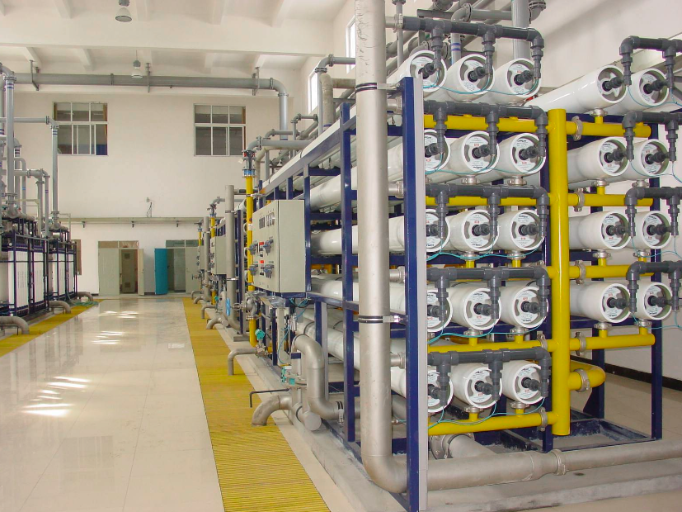
Our filtration supply and technical support cover industrial water treatment, reverse-osmosis and ultrafiltration pretreatment, water reuse, power generation, oil and gas, chemical processing, and food and beverage applications. For a nylon bag enquiry, we review the actual contact conditions and the job of that filtration stage.
- Water and reuse systems: identify the upstream solids load and the downstream water-quality target.
- Chemical and process liquids: state the chemical composition, concentration and operating temperature.
- Food and beverage duties: include contact conditions and the applicable material-document requirements.
- Replacement projects: share the housing and basket details alongside the old bag specification.
Nylon Mesh and Alternative Filter Media
Our review starts with your liquid and the particles you need to retain. Nylon mesh, polypropylene felt and polyester felt are not interchangeable constructions. The trade off is in the retention mechanism and loading behavior, not just in the material price.
Nylon mesh
Does a woven mesh suit the required particle separation?
Particle target, liquid chemistry, temperature and required flow
Polypropylene or polyester felt
Would a depth-media construction better suit the loading and filtrate target?
Existing bag result, solids loading and pressure-rise history
Polypropylene mesh filter bag
Is mesh construction required, or is the current bag polypropylene felt?
Material and weave reference, rating method, ring and dimensions
Chemistry and temperature belong together
If you have chemical compatibility concerns, please send concentration and exposure conditions rather than the chemical name. ASTM D543-21 describes the importance of reagent concentration, temperature, exposure duration and stress when assessing plastics; a room-temperature observation does not establish performance in a hot continuous process. 1
Separate the two loads
Liquid concentration describes the solution in contact with the material. Suspended-solids loading describes what the filter must collect. We need both where available, plus viscosity if known, because chemical suitability and pressure rise answer different selection questions.
Ring and Seam Construction
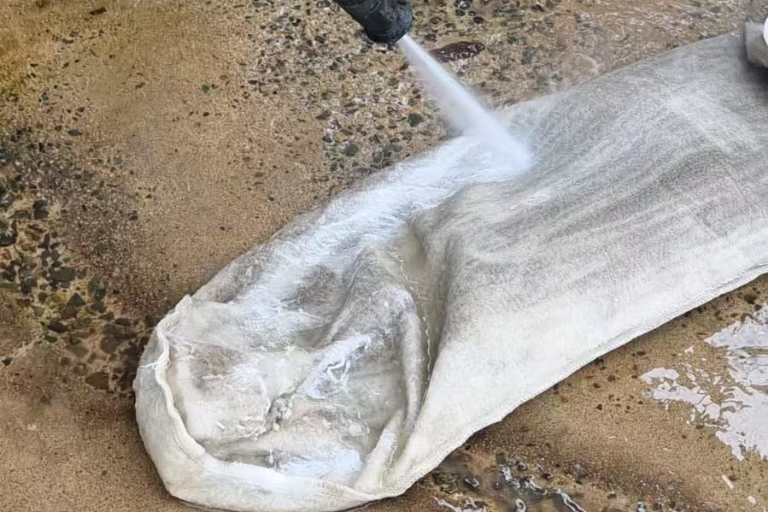
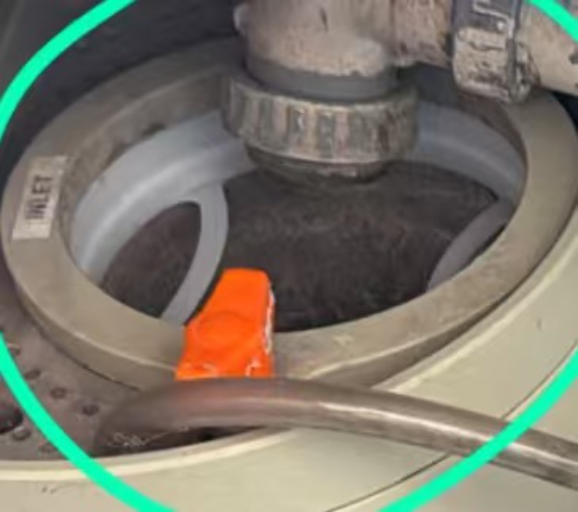
Our replacement review includes the sealing details because a ring mismatch may leave a bypass path. EPA Our ECFB family members have stainless steel and polypropylene seal-ring options. The selected ring profile must match the housing seat and the restrainer basket.
Detail
What to compare
Why it matters
Stainless steel ring
Ring diameter, section and seating arrangement
The material label alone does not define the seal geometry
Polypropylene ring or collar
Profile, lip and contact surfaces
A different flange shape can change how the bag seats
Seam and top attachment
Sewn construction, thread and any specified seam treatment
Seam openings and damage can provide a path around the intended mesh
Basket support
Usable depth, diameter and condition
The bag needs the intended support during operation
For a sewn bag, how the maker chooses to sew the seam is part of the construction specification. For a close match, send us close-up pictures of the bag top, the seam and the fabric when matching an existing item; do not choose a replacement based on fabric appearance alone.
Selection note
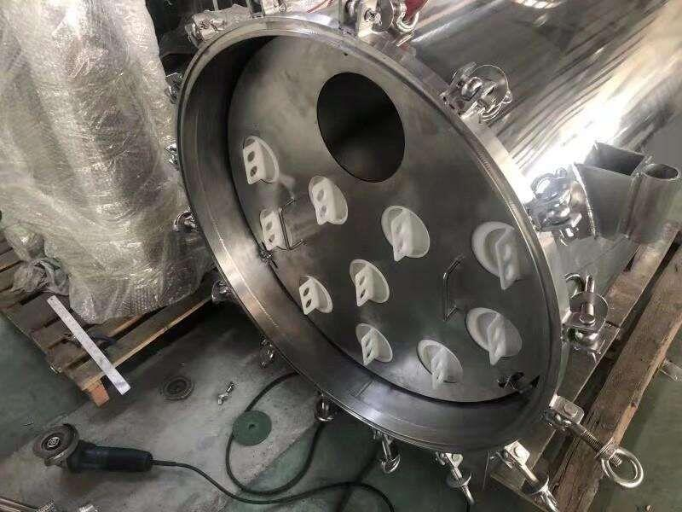
Check the ring, basket and bag dimensions as one assembly. A bag that slides into the housing still needs the correct seal and support.
Filter Bag Sizes and Micron Selection
Family dimensions below can be used for initial matching. A common size label creates a mismatch risk because actual length or ring size may not be the same; confirm against the drawing. Dimensions are diameter x length. For filter bag sizes in inches use rounded numbers from the table.
| ECFB reference | Catalog specification | Matching detail |
|---|---|---|
| Size 1 | 180 × 420 mm (7.09 × 16.54 in) | Check usable basket depth and ring profile |
| Size 2 | 180 × 810 mm (7.09 × 31.89 in) | Check the full bag and basket length |
| Size 3 | 105 × 230 mm (4.13 × 9.06 in) | Measure the compact housing seat |
| Size 4 | 102 × 380 mm (4.02 × 14.96 in) | Check diameter as well as length |
| Size 5 | 150 × 520 mm (5.91 × 20.47 in) | Match the housing and support basket |
| Nylon max temp | 160°C | Review the liquid and complete assembly at the actual temperature |
| Nylon max DP (20°C) | 2.0 bar at 20°C | Bag differential pressure at the stated temperature |
| Nylon max DP (80°C) | 1.0 bar at 80°C | Separate condition; not an interpolation curve |
Limits on differential pressure are the max pressure differences the bags can accommodate, not the pressure limits for the housings or the normal/routine replacement thresholds for the bags. The temperature maximum and the pressure figures must not be combined into a 160°C and 2.0 bar operating point. For specification confirmation, we check your actual operating conditions, your micron ratings and rings, and consider the material as well.
200 Micron Enquiry Spec Card
For a 200 micron filter bag enquiry, send the target rating together with the bag dimensions, material and ring. Using NIST’s SI prefixes, 200 µm equals 0.2 mm; that conversion describes a length, not a guaranteed removal percentage.
- Required construction: nylon mesh or another specified medium
- Rating requirement: nominal or absolute, with the required test or efficiency definition
- Particle or contaminant to remove and the desired outlet quality
- Evaluation method, observation period and agreed trial termination criteria
- Required quantity, destination and document requirements
Pricing, Samples and Delivery Planning
Our quotation is in accordance with your bag specification and order requirement. Comparing prices by micron number alone may not reflect the differences in fabric, ring, dimensions and packing. Keep these details in line when comparing quotations.
Quote input
What it resolves
Material and construction
Mesh versus felt, and the requested fiber construction
Dimensions and ring
The bag and sealing arrangement to be supplied
Rating and acceptance requirement
The filtration specification and any requested verification
Quantity and packing
The order size and handling requirements
Destination and required date
Production and shipping planning
Sample and trial support
As part of application evaluation, we provide sample and trial support. Send your proposed trial duty with the bag specification, and we will discuss the sample arrangement and evaluation requirements with you.
Compare the cost of an accepted run
A lower bag purchase price is only one part of operating cost. Record the accepted filtered volume alongside bag use, changeout labor, downtime and disposal; compare runs at the same outlet-quality requirement so a cheaper bag does not mask a shorter useful run.
Calculate recorded cost per 1,000 accepted litres using your actual bag, labor, downtime and disposal costs.
Inspection and Product Documentation
During order preparation, we coordinate inspection according to the product requirements. The technical review should identify what will be checked, the acceptance criteria and which documents are needed for the bag and application.
01
Confirm the item: material, dimensions, ring, construction and rating.
02
Set the inspection scope: dimensional, integrity, flow or filtration-performance checks according to the product requirement.
03
Define the trial: feed condition, target and peak flow, pressure observation and required outlet quality.
04
Agree the decision: measurement method, observation period and the conditions for ending or accepting the trial.
Bag condition, gasket integrity and operating mode matter alongside micron ratings. EPA’s bag-filtration discussion identifies flow, pressure differential and continuous versus intermittent operation among the evaluation factors.3
Documents matched to the application
We provide technical data, material documentation and applicable compliance documents according to the selected product and application. For food-contact duties, identify the substance, intended use and contact conditions; those details determine which documents apply.4
Check the scope
A management-system certificate and a product-specific compliance document answer different questions. Match the certificate holder and scope to the requested document, then check the material and application details for the actual bag.5
Requirements Submission
Send your inspection and document requirements with your quotation request.
How We Work: From Specification Review to Operating Support
We work with your technical and purchasing personnel during the selection process and through use. Keep the specification agreed upon with the order, so we may trace any query to the same material, dimensions and service condition.
Send the requirement
Include the current bag reference or photos, liquid and operating conditions.
Review the match
We discuss the media, ring, size and rating, including custom requirements.
Confirm the order
Align quantity, technical details, required documents and delivery planning.
Prepare delivery
We coordinate packaging and shipping for your order.
Support installation
We provide installation and compatibility support.
Follow the operating result
We help you assess differential pressure and service life.
Troubleshooting inputs
After installation, we support troubleshooting and filtration configuration review. If pressure rises early or outlet quality changes, send the bag reference, inlet and outlet pressure readings, flow, temperature and photographs of the used bag; include whether the feed or operating cycle changed.
Keep one trial record
Record the installation time, pressure readings, accepted filtered volume and reason for removal together. This helps separate a loading problem from fit, damage or a change in the process, rather than replacing the bag repeatedly without a comparable record.
Nylon Mesh Filter Bag FAQs
Q01
Is nylon mesh always monofilament?
Nylon mesh is not necessarily monofilament. Nylon monofilament mesh filter bags use individual filaments; multifilament construction uses bundles of fibers. If your specification requires a monofilament mesh liquid filter bag, state that construction explicitly so it can be confirmed with the selected item.
Q02
Can you review a 200 micron filter bag requirement?
Yes. Send the 200 micron requirement with the liquid, target particle, bag dimensions, ring and operating conditions. We review the requested construction and rating before confirming a product specification; the micron number alone does not define removal efficiency or flow capacity.
Q03
Will a standard size 2 bag fit my housing?
Check the dimensions and sealing interface. Our ECFB size 2 reference is 180 × 810 mm, but the ring profile, basket support and housing seat still need to match. Send a photograph of the existing ring alongside the bag measurements.
Q04
Can I replace polypropylene felt with nylon mesh?
That requires a media-change review with us. Compare the liquid compatibility, particle-retention requirement, solids loading and outlet-quality result before accepting the substitution.
Q05
Does 200 micron mean every larger particle is removed?
A 200 micron label does not necessarily establish that guarantee. EPA Nominal and absolute ratings need their own efficiency definitions and test conditions; particle shape, the media and sealing condition also affect the result. State the required filtrate quality and evaluation method with your enquiry.
Q06
Are reusable nylon mesh filter bags suitable for my process?
Reuse needs a suitable cleaning method and an acceptance check for the actual process. Inspect the mesh, seams and ring after cleaning, and confirm that contamination and outlet-quality requirements are still met before reuse. We review this with the selected product and application.
Q07
When should the filter bag be replaced?
Use the agreed operating and acceptance criteria for the selected bag and housing. Review differential pressure, flow, outlet quality and bag condition together; do not use the catalog maximum differential pressure as a routine changeout target.
Q08
What should I send for a quote?
Send the material, micron rating, dimensions, ring, quantity and destination. Add the liquid and operating conditions if you need selection support. A current part reference and clear photographs help us identify the remaining questions.
Q09
Do you support a trial before the main order?
Sample and trial support is part of our application review. Tell us the duty, quantity under consideration and the result you need to evaluate.
Q10
Can you help after the bags are installed?
Our after-sales support covers compatibility, operating-performance follow-up and troubleshooting. For an early pressure rise, send the operating record and used-bag photos so we can review the feed, fit and filtration requirement together.