Get in touch with ECOFILTRONE™ Company

PTFE Liquid Filter Bags for Industrial Process Filtration
We help you choose PTFE liquid filter bags for your process liquid, operating conditions and existing housing. At ECOFILTRONE, we provide engineering support to filter selection, so your enquiry starts with the duty that the bag must perform.
- Application review
- Replacement matching
- Sample and trial support
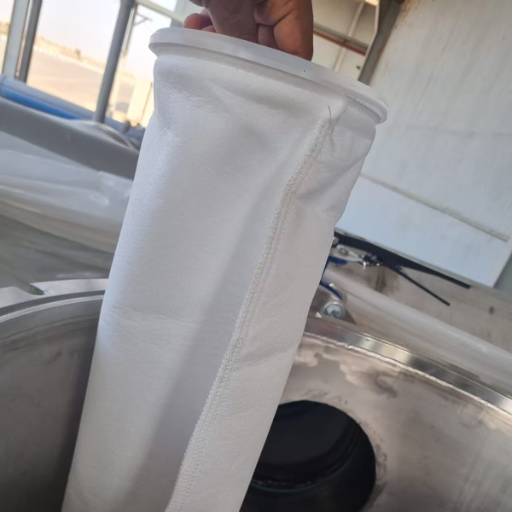
PTFE Liquid Filter Bags for the Industries We Serve
At the selection stage, we review your application before recommending a filter configuration. Tell us what is in the liquid, what needs to be removed and what the downstream process needs to receive.
Share the chemical composition, concentration and normal and peak temperatures. Include cleaning liquids and their contact time when they also reach the bag.
Describe the suspended solids and the equipment being protected. A filtration target for a transfer line can differ from the target for RO or UF pretreatment.
For replacement enquiries, we check the specifications of your existing filter for replacement matching. A part number, drawing and photographs of the sealing interface help us review the complete assembly.
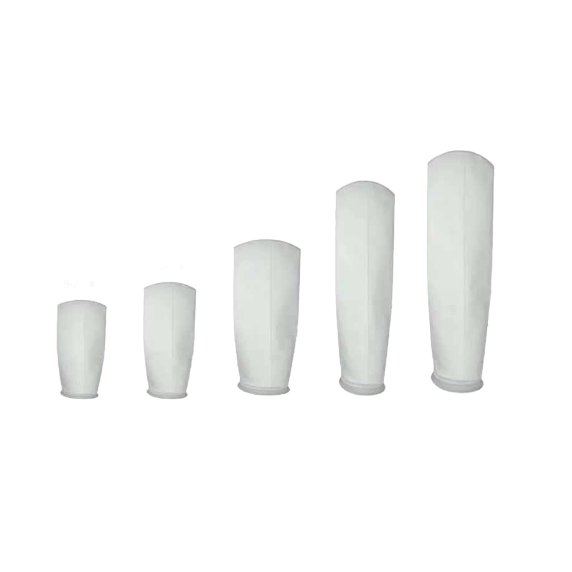
We help customers select, match and configure filtration products according to actual operating requirements.
ECOFILTRONEBeyond standard replacement enquiries, we work with you on customized filtration requirements. For a process change, include the present filter, the proposed liquid conditions and the reason for changing: chemical compatibility, filtrate quality, changeout frequency or another operating constraint.
Media Construction and Housing Compatibility
We check the construction of the bag, not just the PTFE name. A membrane, composite or layered bag requires a different check; the support material, seam and sealing ring remain part of the liquid contact assembly.
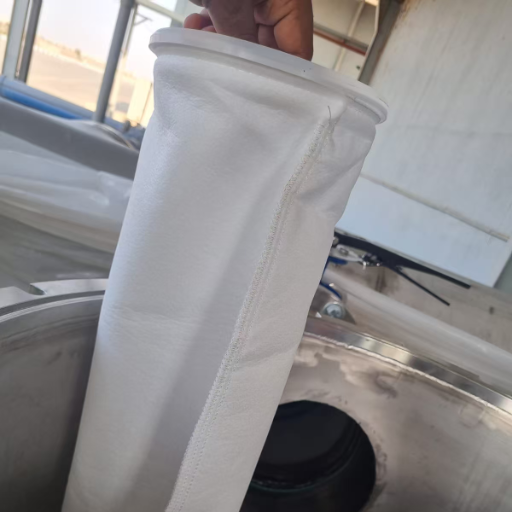
PTFE felt and membrane constructions
Identify whether the requested filter media is PTFE felt or a PTFE membrane supported by another material. Chemical resistance must be checked under the actual fluid, temperature and exposure conditions; ASTM D543 provides a framework for chemical-resistance testing of plastics.[1]
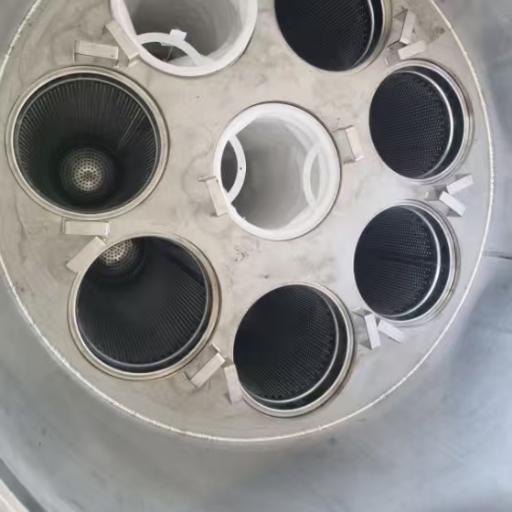
Collar, flange and support basket
Record the top style and seating dimensions of your bag filter housing. Ring and collar designs are not interchangeable without a fit check; confirm against the housing drawing rather than relying on the nominal bag size.
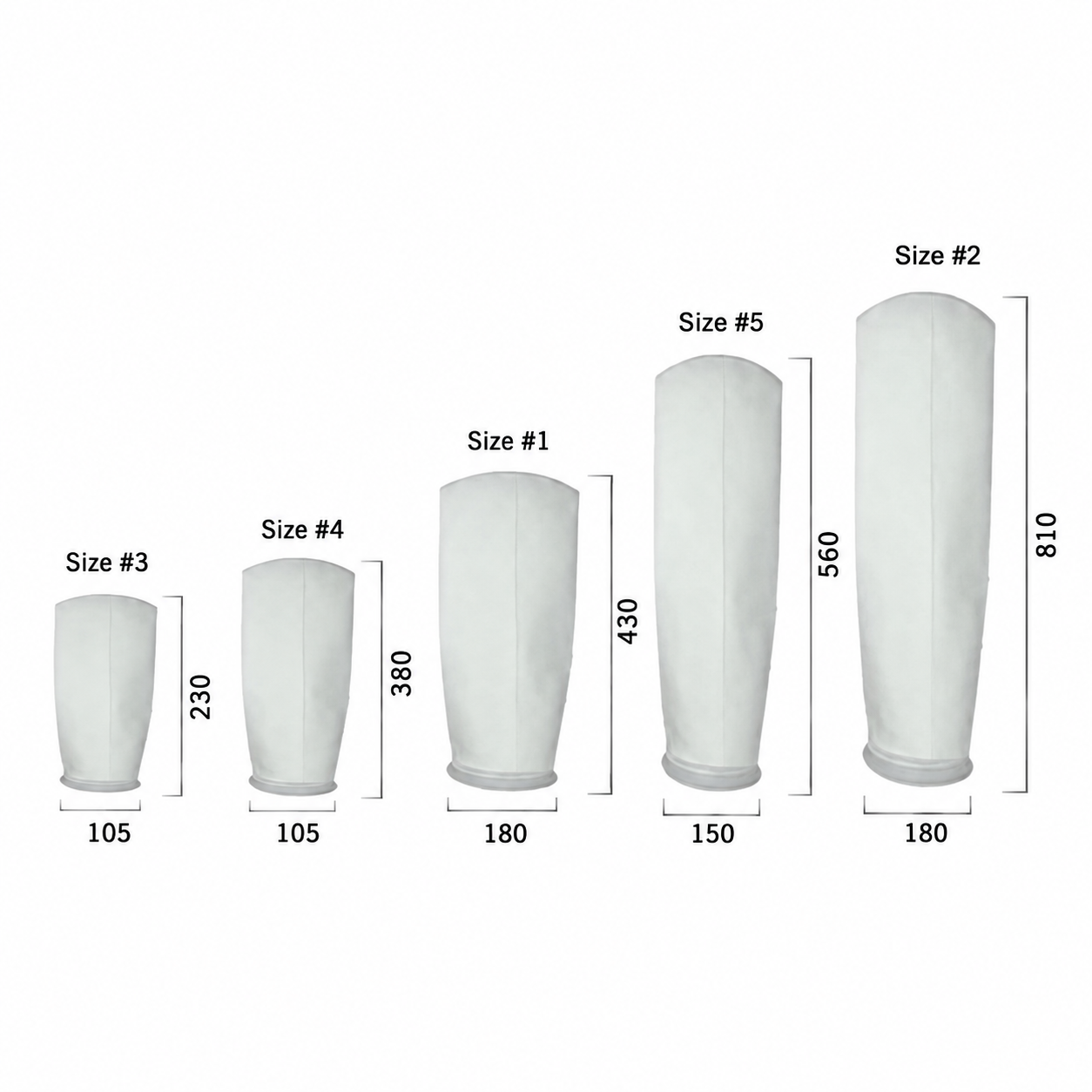
Comparison with the current media
If you use polyester felt, polypropylene felt or nylon mesh, send that material with the existing rating. Unlike a change in particle rating, a change of polymer also calls for a chemical-compatibility review; a PTFE replacement for a polyester felt liquid filter bag needs both checks.
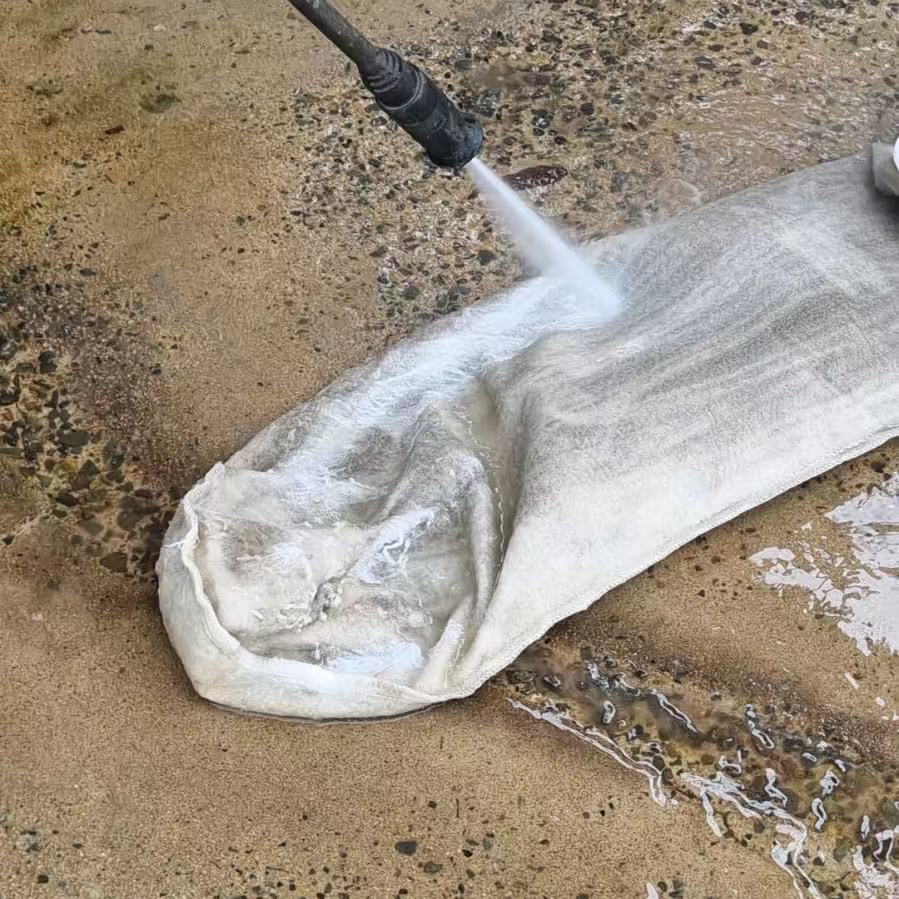
Wetting and start-up
If the selected construction contains a hydrophobic membrane, water wetting and liquid-entry behavior need review before start-up. Do not transfer the instructions for a gas filter cartridge to a liquid filter bag.
Construction Checks Before Ordering
Before the order moves forward, we provide technical confirmation during the order process. As part of that review, we coordinate datasheets and drawings for the selected configuration.
Detail
What to identify
Why it matters
Media and supporting layers
What to identifyMaterial of each liquid-contact layer
Why it mattersThe outer description does not specify every component.
Seam or joint
What to identifyConstruction and exposed joining materials
Why it mattersLiquid can contact the joint as well as the filter media.
Bag top
What to identifyRing or collar material, profile and dimensions
Why it mattersThe seal must suit the housing seat.
Bag body
What to identifyLength, diameter and shape
Why it mattersThe bag must sit correctly in its support basket.
Surface treatment
What to identifyAny treatment specified for the selected media
Why it mattersParticle-release requirements belong in technical confirmation.
Handling and replacement
What to identifyRemoval arrangement and site procedure
Why it mattersChangeout must follow the equipment and process safety instructions.
Micron Rating, Flow and Differential Pressure
To compare bags with the same micron label, check retention efficiency testing and other test conditions. For instance, two bags marked 5 µm do not imply that the bags are equivalent, and assuming equivalence could lead to a risk of contamination downstream.
- Compare the stated retention efficiency and test method, not only the printed grade.
- The trade-off between a finer grade and pressure drop needs review at your liquid's viscosity and flow.
- A particle rating is not a substitute for a verified bag-to-housing seal.
Specifications to Send With Your Enquiry
Your process input
Information to send
Selection decision
Process liquid
Information to sendChemical names, concentrations and cleaning fluids
Selection decisionCompatibility of every wetted component
Temperature
Information to sendNormal and peak temperature, with units
Selection decisionOperating conditions for the complete bag assembly
Flow and viscosity
Information to sendRequired flow rate and viscosity at operating temperature
Selection decisionMedia and filtration-area review
Filtration target
Information to sendParticle size, required efficiency and test method
Selection decisionRetention requirements beyond the micron label
Pressure conditions
Information to sendSystem pressure, clean differential pressure and changeout limit
Selection decisionBag, basket and housing operating constraints
Dimensions and seal
Information to sendBag length and diameter, stainless steel or polymer top profile, housing model and drawing
Selection decisionReplacement fit and sealing interface
Process operation
Information to sendBatch or continuous duty, present changeout pattern and solids loading
Selection decisionTrial scope and maintenance planning
Documentation and supply
Information to sendFood-contact or other documents needed, quantity and destination
Selection decisionTechnical review and quotation scope
Quotes, Samples and Supply Planning
Your quote depends on the confirmed construction, dimensions, retention requirement, quantity, documents and delivery location. We plan supply based on technical confirmation, therefore include the date you need the filters on site with your enquiry.
Keep media, top style, dimensions and documentation consistent across quotations. A lower unit price for a different construction is not a like-for-like comparison.
Once the configuration is confirmed, we follow up production during your order. Through order fulfilment, we coordinate inspection, packaging and shipping.
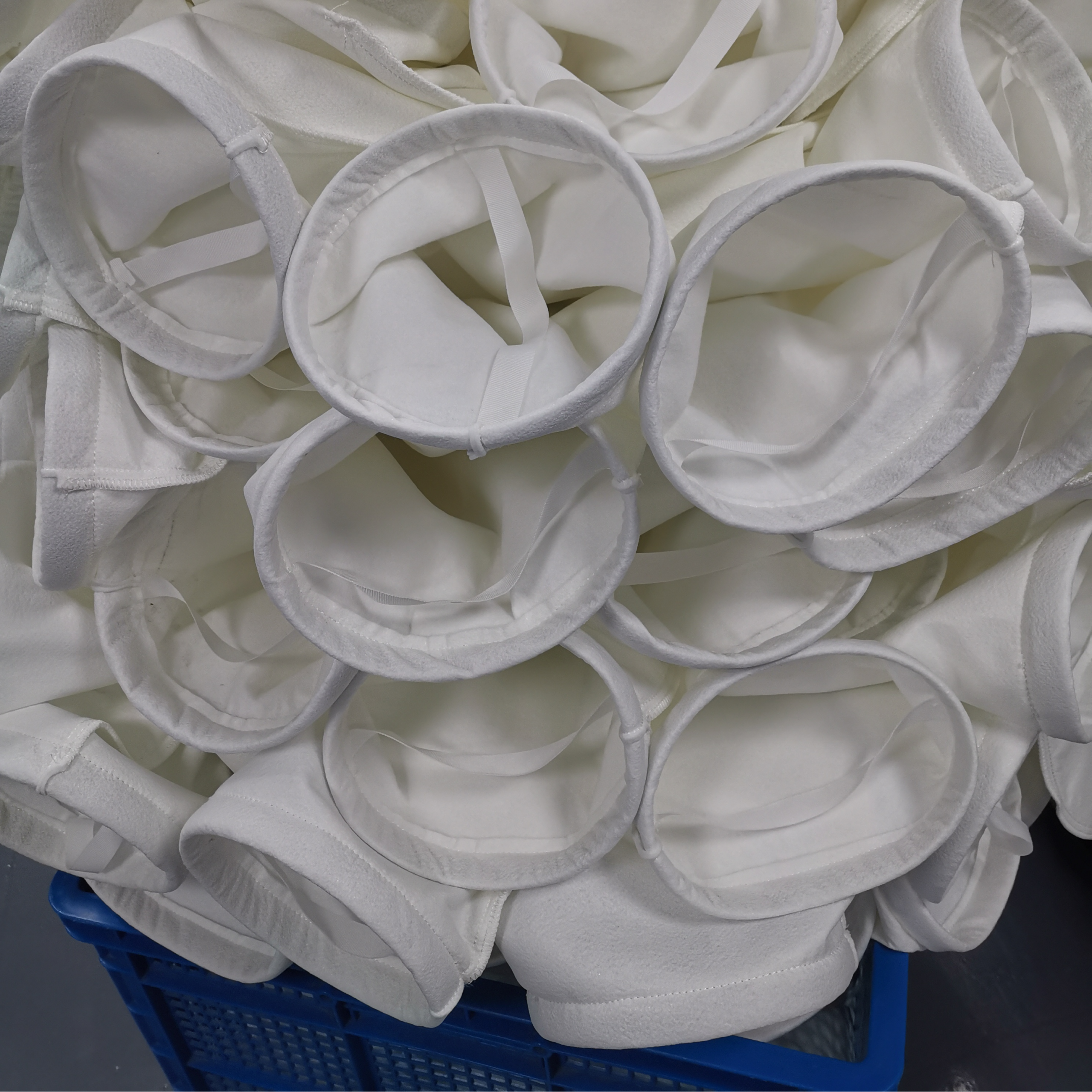
Quality Checks and Technical Documentation
ECOFILTRONE quality review ensures the selected product, application and industry requirements are aligned. Dimensional inspection and the agreed product check are part of that review. Where a material certificate or other inspection document is required, it must be in alignment with the ordered product.
Food-Contact Requirements
For food and beverage processing, identify the food type, contact temperature, contact duration and cleaning conditions. A generic food grade label leaves a documentation gap because it does not identify the complete assembly or the authorized conditions of use. Under the US FDA framework, the regulatory assessment must cover the substances in the food-contact assembly and their intended use.
Specify which components contact the product, including media, joining materials and the bag top.
Match material declarations and the applicable authorization basis to the selected configuration and conditions.
If a Food Contact Notification is the basis, check traceability to the manufacturer covered by it.
Confirm the documents required for your quality release before the order is finalized.
For your quality release we provide the requested documentation (including technical, material and compliance documentation) that meets the requirements for the product and its application.
How We Work: Application Review to Replacement Support
Our technical review provides your procurement team with a configuration that can be verified prior to order placement. Send your current filter specification or engineering drawing that shows operating requirements.
Review the duty
Send the process conditions, filtration target and current equipment details.
Confirm the configuration
Review materials, dimensions, seal design and the requested documents with us.
Plan the sample or order
Agree the evaluation scope where a trial is needed, then confirm the order and supply arrangements.
Follow the operating result
During start-up, we support installation and compatibility checks. After commissioning, we follow up operating performance after installation.
Using your operating records, we help analyze differential pressure and service life. Where an issue arises, we assist with troubleshooting and filtration configuration optimization.
KNOWLEDGE BASE / SUPPORT