Get in touch with ECOFILTRONE™ Company
Fluid and contaminant
- Fluid composition, viscosity, pH and surface tension where relevant
- Contaminant type, loading and target retention
- Complete wetted-material compatibility, including seals and adhesives


ECOFILTRONE™ is an industrial filter cartridge manufacturer that develops each custom filter design around your housing, fluid, contaminant, operating conditions and purchasing route. We review drawings, samples or original model references for non-standard dimensions, end-cap options, micron requirements, OEM replacement matching and a practical filtration solution.
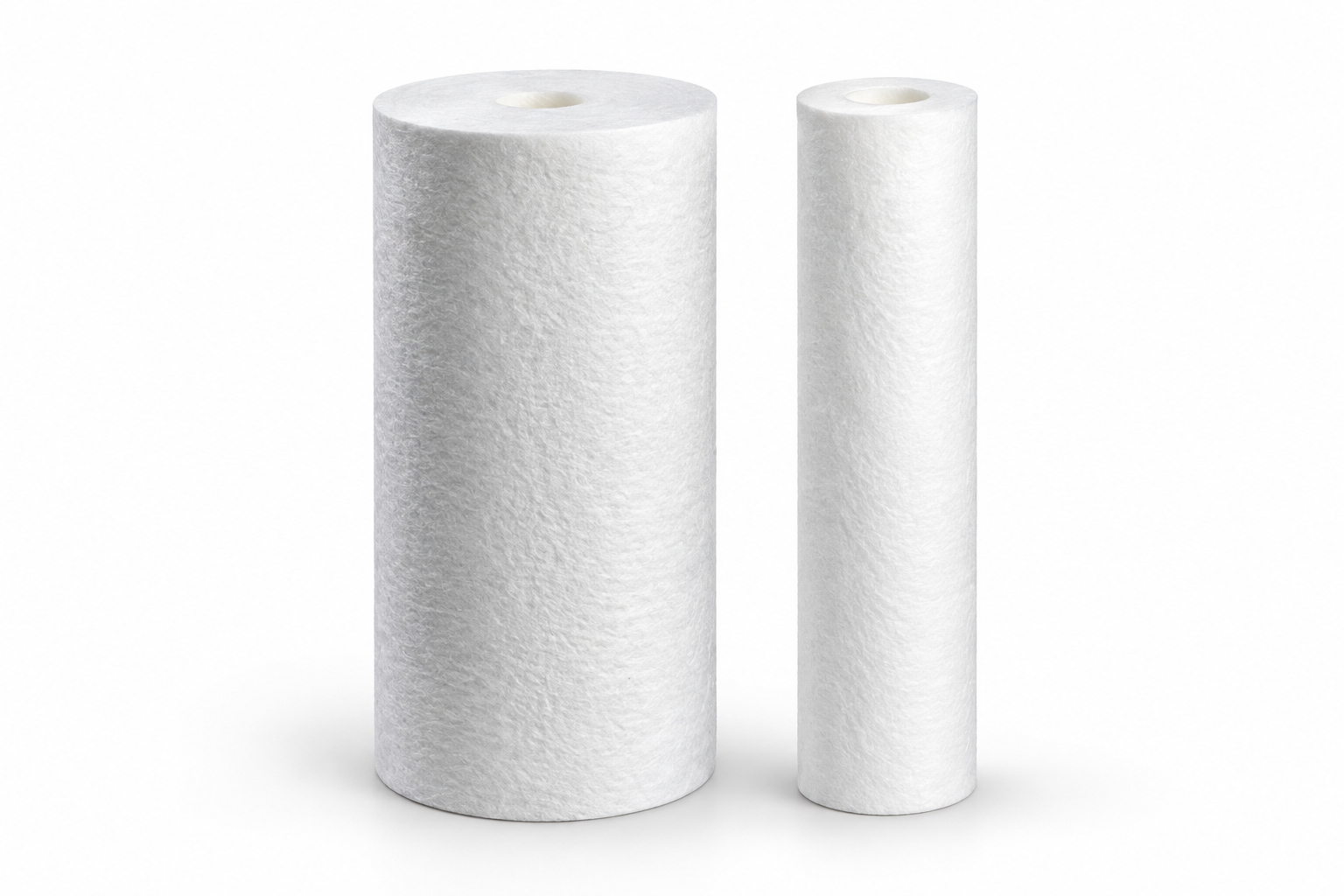
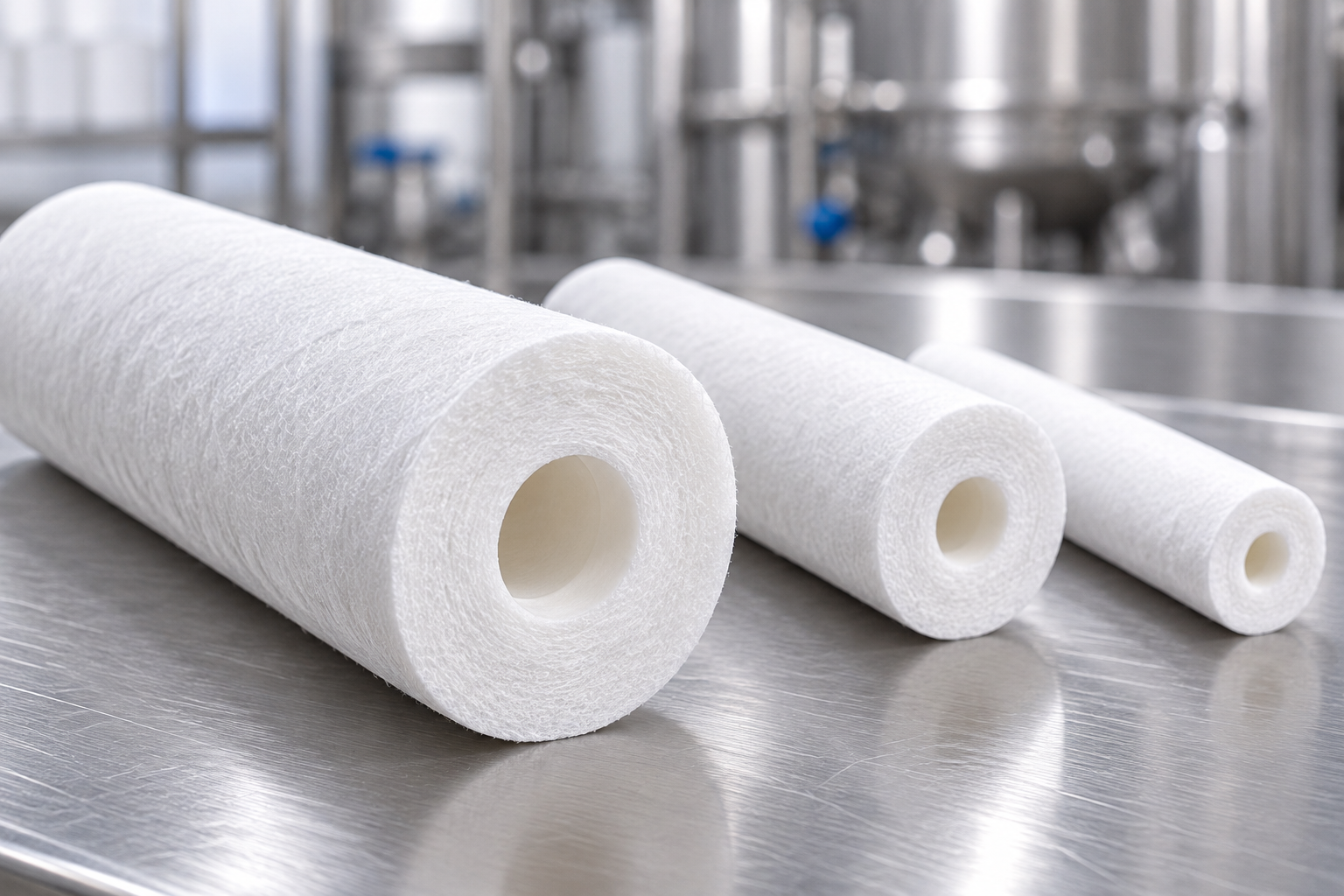
Built around the proposed construction. ECOFILTRONE™ factory teams work with production routes for pleating, membrane cartridge assembly, melt-blown extrusion, string winding, end-cap welding or bonding, and cartridge assembly. ECOFILTRONE™ inspection and engineering support then connect that manufacturing route to the approved specification instead of treating every custom request as a dimensional change.
ECOFILTRONE™ reviews non-standard length, outside diameter, inside diameter and seated dimensions against the installed housing interface.
The review connects the target contaminant and rating basis to a suitable cartridge family and media construction.
End components are configured around the specified interface and operating duty, including end caps, adapters, seals, cores and cages.
We compare the existing cartridge by drawing, sample or original model reference before proposing an equivalent route.
We align the approved cartridge specification with your label and private-label packaging requirements.
We can review sample or trial feasibility after the application and specification have been defined.
A custom dimension is merely an element of the detail. The check will also identify exactly what the cartridge is designed to catch, how effectiveness will likely be appraised and just how the element links for the housing.
Non-standard lengths, diameters, micron ratings, end caps and private-label packaging are available for specification review. This scope is not a substitute for checking the installed interface and operating duty.
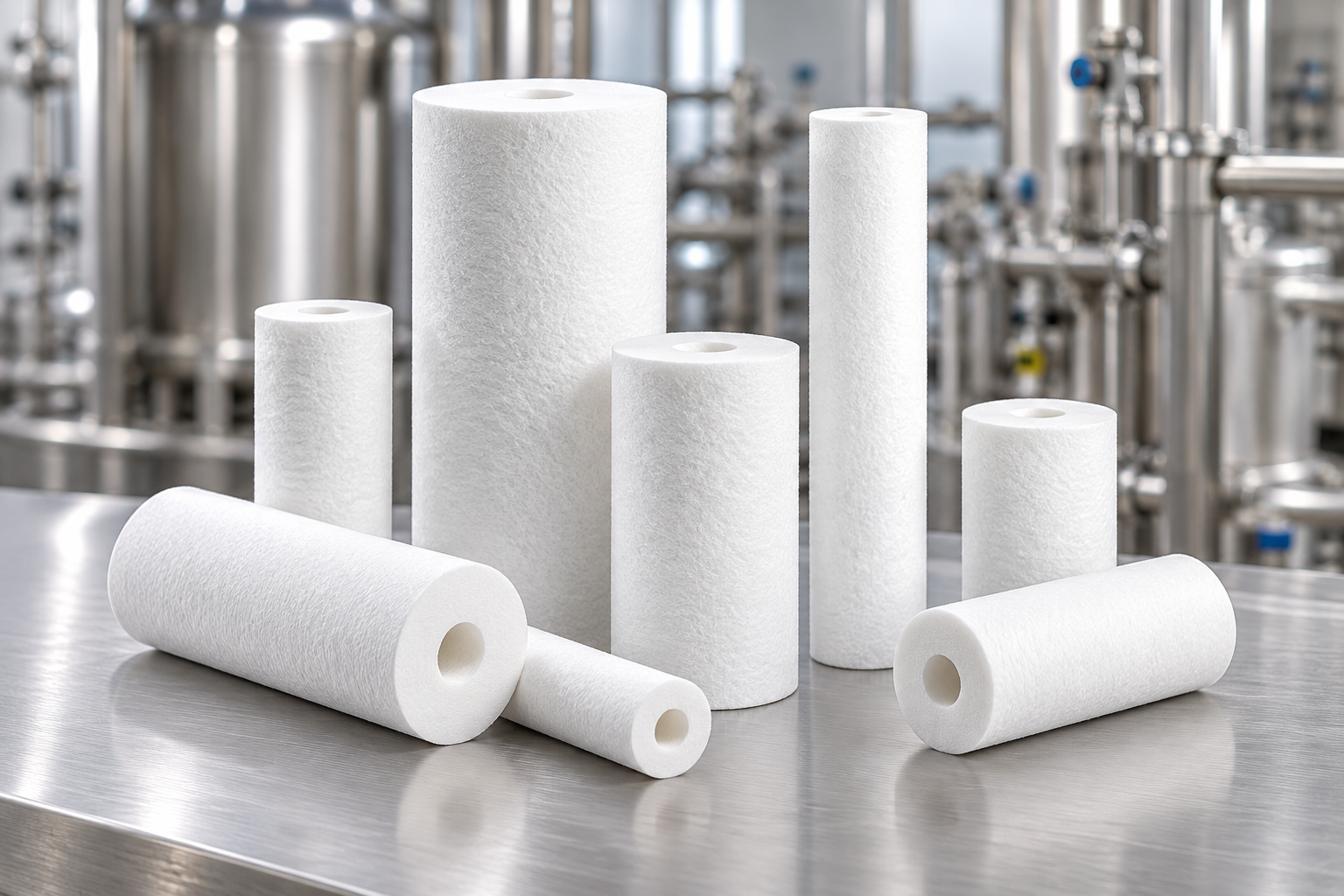
A cartridge with the same nominal size can still differ in efficiency, pressure drop, contaminant capacity, sealing behavior or structural response.
why capacity data comparisons demand a comparable productivity basis and also managed testing environments. Greater than is certainly not better automatically, so we compare the rating foundation rather than merely treating one value as a proxy for application evidence.
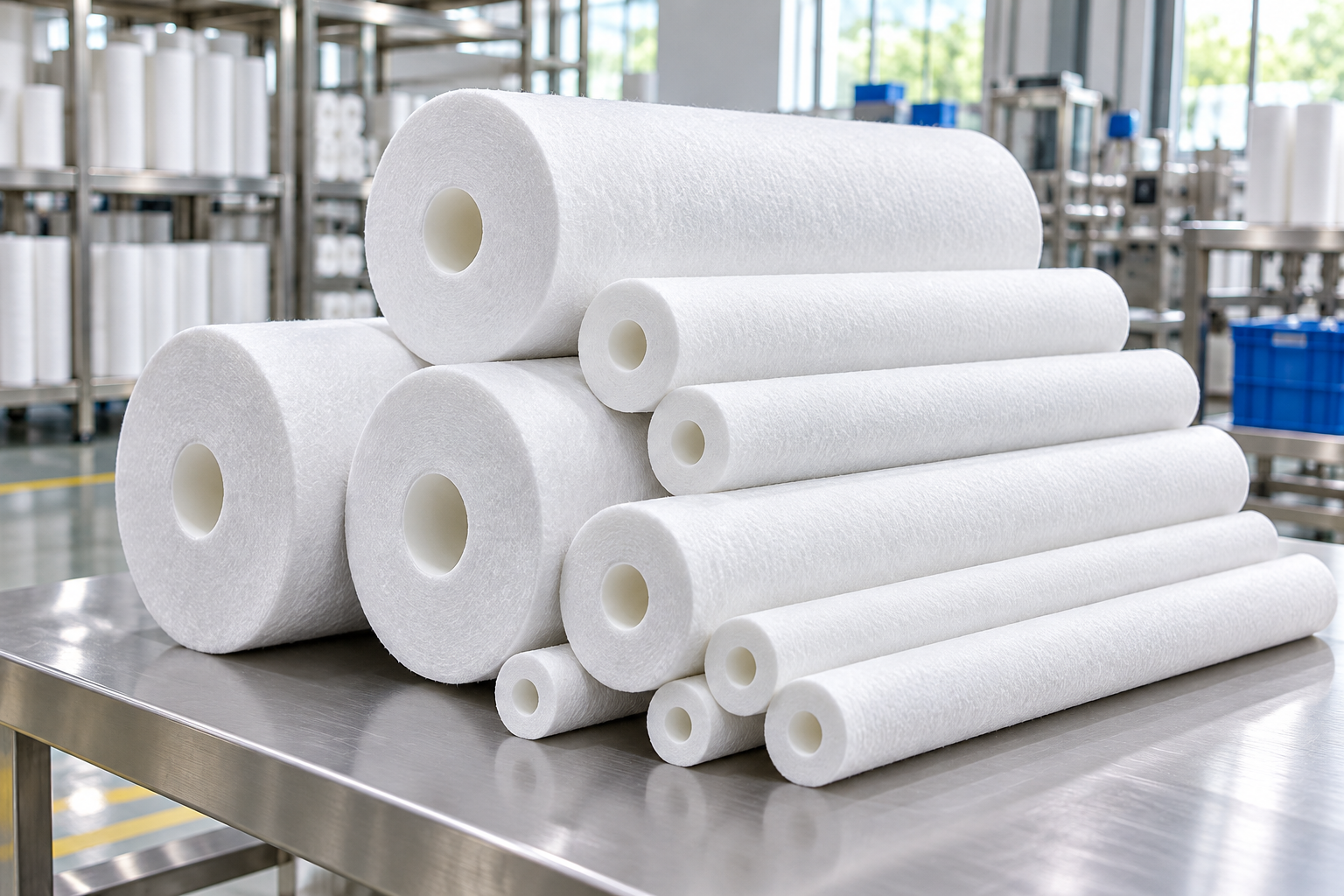
If your established structure remains obscure, a product or cross-section photo can easily identify the following step of validation.
Ask for a reviewConsider this route when the system needs a large-format element and reduced element count. Send housing geometry, flow, fluid properties and the existing element reference.
Pleated polypropylene or polyester media provide a configurable surface-area route for industrial liquids. Media technology, support layers, end seals and filtration efficiency basis remain part of the review.
Membrane cartridges require a defined retention objective and compatibility envelope. Sterile or critical processing needs a separate product- and process-specific validation route.
Melt-blown depth cartridges suit many particulate prefiltration duties. The review considers graded structure, dimensions, operating temperature and chemical compatibility.
String-wound construction can be configured through yarn, core, winding pattern and dimensions. Fluid, temperature, differential pressure and housing fit guide the selection.
Application assessment avoids a common sourcing issue: replacing the apparent dimensions without incorporating the variables that manage filtration functionality. We map the operating window to constrain the build and validation strategy before the price is finalized.

Application coverage includes industrial water treatment; RO and UF pretreatment; seawater desalination; wastewater treatment and reuse; power generation; oil and gas; petrochemical and chemical processing; food and beverage; pharmaceutical and life sciences; electronics; and high-purity water.
Food-contact or sterile-process suitability is never inferred from a generic material name. The selected media, support layers, core, end caps, seals and adhesives must be checked against the intended use, exposure conditions and required records.
A compatibility failure can compromise a batch because a material name does not describe every component, purity limit or exposure condition. ECOFILTRONE™ engineers therefore review the complete wetted construction, while FDA guidance provides the authority boundary for component-specific food-contact status.
Kick off using one of three points of entry: a blueprint (or drawing), a sample from the existing element, or even the manufacturer and model ID. We establish a comparison report that doesn’t take a chance on a visual match alone.
Length, diameter, end connection, seat and seal interface
Media, support layers, core, cage, end caps and adhesive
Micron rating, efficiency definition and test method
Flow, pressure, temperature, chemistry and cyclic duty
Dimensional, integrity, flow and filtration-performance checks
Repeating business may deviate once print specs separate from labels. We connect the two as an accepted record, transforming box-swapping into a true private labeling partnership.
We record approved construction, dimensions, components and rating basis for repeat supply.
Reviewing product identification and branding information required for the agreed supply route.
Confirming private-label packaging requirements as part of the quotation and technical handoff.
Using the confirmed drawing or datasheet and packaging requirements as the repeat-order reference.
We support product selection from actual operating conditions. We review complete wetted construction for compatibility. We coordinate datasheets and drawings during technical confirmation. We follow operating-performance questions after delivery.
Our cartridge portfolio includes high flow, pleated, membrane, melt blown and string wound filter cartridges. Product selection remains tied to the approved application and specification.
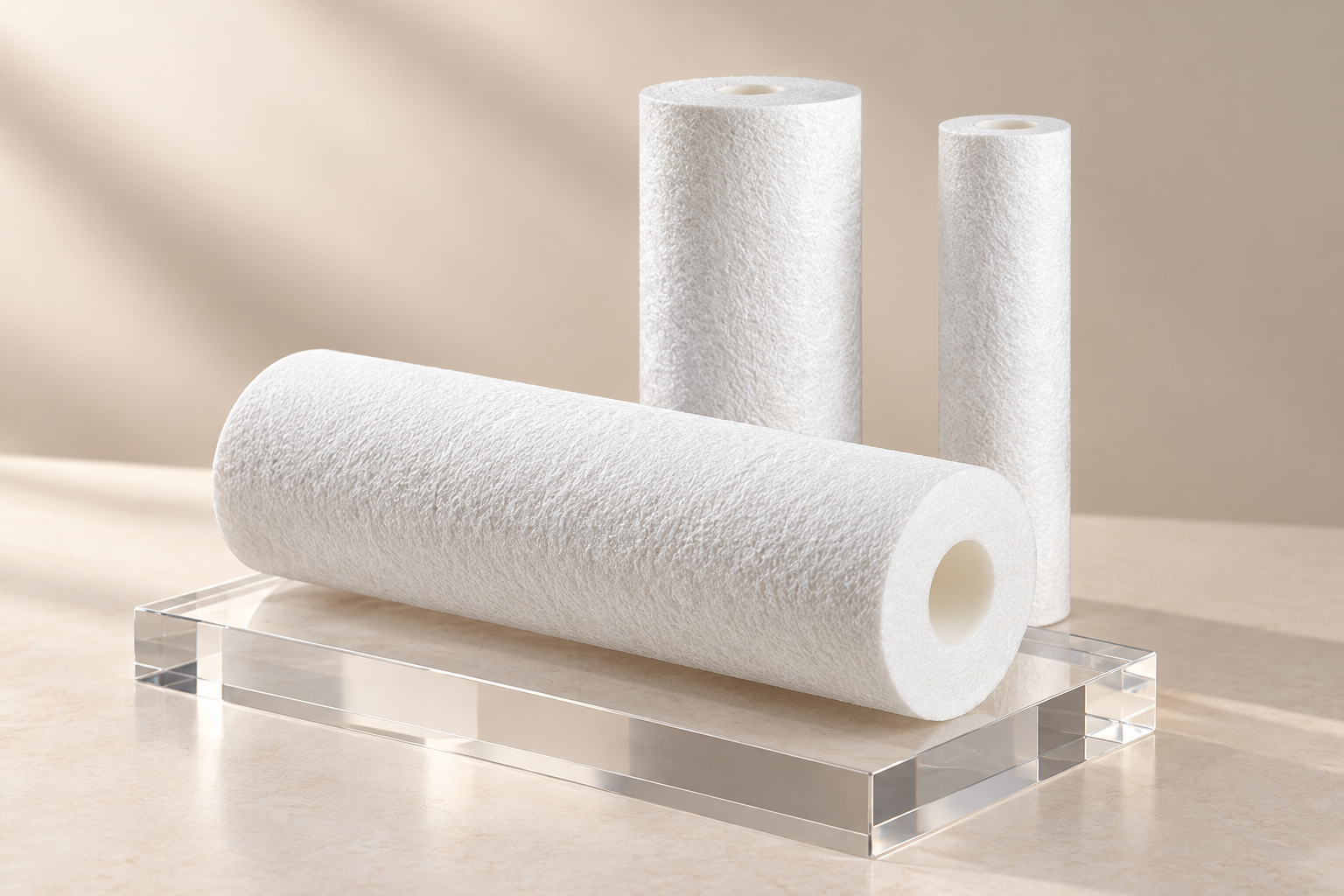
Pricing is confirmed against the approved configuration, order quantity and supply scope.
The cost for standard catalog offerings versus custom product items does not follow the same route. We always evaluate the catalog choice whenever a off the shelf product is sufficient – it is inefficient for the procurement to choose custom designs without needing a valid technical reason for doing so.

Construction, dimensions, components, required records and private-label requirements define the quoted item.
Order quantity, sample needs and any configuration-specific tooling affect the commercial review.
The quotation confirms timing after cartridge type, quantity and customization scope have been reviewed.
Depending upon the item and the spec, we define dimensional checks, integrity checks, pressure/flow check, and filtration efficiency assessments. Each of these evaluates a separate design variable – which is why an integrity check isn’t a proxy to guarantee micron ratings, total load capacity, or fitment inside a vessel.

This layout explains why each step of the quote requests is required. Use this guide to help you build an executable specification rather than hoping for a generic checklist.
Compare the standard route first to reduce qualification complexity, tooling and repeat-order risk.
Review the application before locking the media, micron rating or seal material.
Check differential pressure, contamination load and changeout history before duplicating the existing element.
Use a product- and process-specific validation route for sterile, food-contact or other regulated service.
Access our specialized utility modules to define precise specifications, verify OEM cross-references, and calculate long-term operational value. Designed to support reliable engineering procurement decisions.
A structured technical guide to defining your exact filter cartridge specifications, ensuring dimensional fit, material compatibility, and targeted filtration performance.
Systematically verify dimensional, material, and operational parameters to safely cross-reference and match OEM filter elements without taking a chance on visual similarities.
Evaluate the Total Cost of Ownership (TCO) by analyzing initial procurement costs, changeout frequency, maintenance labor, and long-term operational longevity.
Yes. ECOFILTRONE reviews non-standard lengths and diameters together with the installed length, end interface, housing clearance and seal position. Send us a drawing or measured sample; outside dimensions alone do not show the seated geometry that controls fit.
The main inputs are the fluid, contaminant, target retention, rating basis, flow, differential pressure, temperature, chemical compatibility, housing interface and changeout objective. Documentation needs and regulated-use conditions can also change the material set and validation route.
Start with the particle or process result that must be controlled, then define whether the rating is nominal, absolute or tied to a stated efficiency and test method. Micron value alone does not establish removal performance, so the rating basis must travel with the specification.
They influence media stability, seal compatibility, core and cage requirements, clean pressure drop and the changeout endpoint. Cyclic flow, pulses or hydraulic shock may require additional structural review beyond steady-state values.
Send the original manufacturer and model, drawing or sample, dimensions, end connection, seal material, fluid, flow, temperature, pressure, micron or efficiency requirement, current changeout point and required documents.
We can review the matching route from a drawing, sample or original reference. Approval depends on both the physical interface and the performance requirements; dimensional interchangeability is not treated as proof of technical equivalence.
Our core portfolio includes high-flow, pleated, membrane, melt-blown and string-wound filter cartridges. The suitable route depends on the application and required construction rather than the family name alone.
Sample and trial support can be reviewed after the application and specification are defined. The quotation confirms feasibility, quantity, timing and the evidence to collect during the trial.
They are confirmed in the quotation after the cartridge type, dimensions, quantity, tooling, documentation and packaging scope are reviewed. A standard configuration may follow a simpler route than a new custom assembly.
Yes, private-label packaging is within the client-confirmed customization scope. Send your label and packaging requirements so they can be reviewed with the approved cartridge specification.
Depending on the product and order, the technical package may include confirmed drawings or datasheets and applicable material, inspection or compliance documents. Availability and scope are verified against the actual product, document holder and intended use before commitment.
Yes. The approved drawing or datasheet and packaging requirements provide the repeat-order reference, while any changed fluid, operating condition, regulation or housing interface should be reviewed before reorder confirmation.